
EKEDC power theft is worsening financial crises as high-income residents and hotels bypass meters, says CEO Rekhiat Momoh
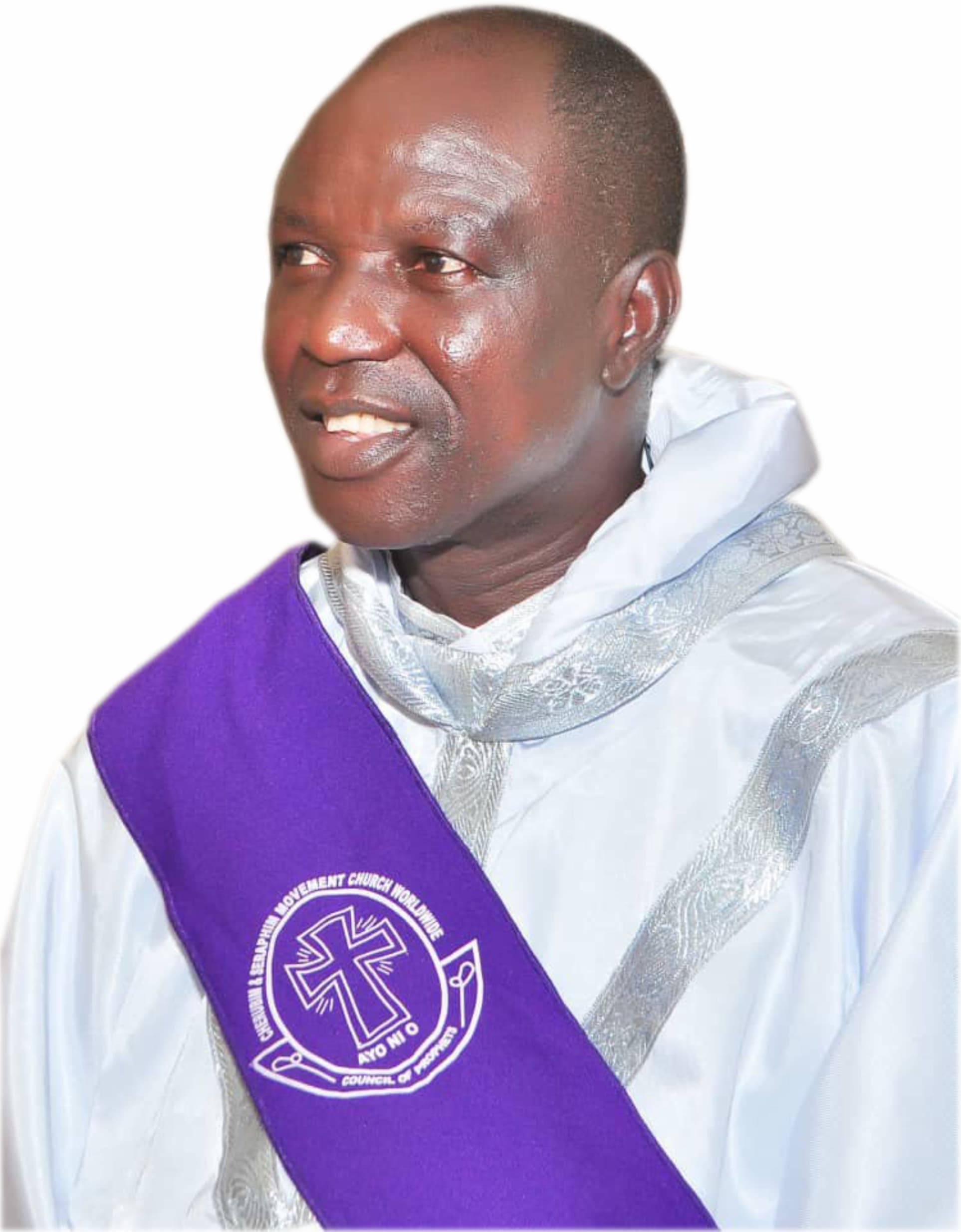
Rekhiat Momoh, Chief Executive Officer of Eko Electricity Distribution Company, has raised alarm over widespread electricity theft by high-income residents and hotels, warning that the practice is driving Nigeria’s power sector into a deep financial and operational crisis.
Also read: Power outage notification by EKEDC confirms 25-day scheduled disruption in network
Speaking at a PwC power roundtable in Lagos, Momoh disclosed that energy theft is most prevalent in affluent areas and involves well-known hotels and influential individuals.
“Energy theft is a big problem. From experience, we have noted that energy theft is more prevalent where the big men live,” she said.
Momoh added that commercial establishments bypassing meters were significantly increasing losses across the network.
She revealed that EKEDC is in legal proceedings with one four-star hotel caught illegally diverting electricity.
“We are even in talks recently with one of the hotels that was caught bypassing. I wouldn’t want to mention the name because we are in court,” Momoh said.
EKEDC serves around 789,000 customers and has outlined short-, medium-, and long-term goals to improve sector performance.
The short-term focus is commercial excellence and closing the emission gap, the medium-term goal centres on customer-centric technology improvements, and long-term objectives target overall market effectiveness.
Momoh highlighted structural and operational inefficiencies that persist despite privatisation.
“The Nigerian power sector, even though it has been privatised, still has a lot of issues, especially regarding energy. As we all know, power is the driver of any economy. If there’s no power, no economy can grow,” she said.
The CEO noted that decades of reliance on manual metering made the system prone to fraud.
“For decades, the energy market has been rooted in traditional practices. We were all doing manual metering, which is prone to fraud and numerous issues,” she explained.
EKEDC is now partially using SCADA systems to monitor faults, though only 15 of 54 substations are connected.
Momoh said EKEDC has acquired five fault locators, each costing about N490 million, to reduce downtime caused by delayed fault detection.
She emphasised that the lack of real-time data continues to hamper efficiency and revenue collection.
Addressing the sector’s financial health, Momoh said distribution companies face severe strain.
“No bank is willing to grant any loan based on the ‘paper profit’ that you’re making. They want real cash,” she stated.
She also highlighted that while installed generation capacity is about 13,000 megawatts, only 4,000 to 5,000 megawatts are available.
The CEO cited legacy debts, poor collection efficiency, obsolete infrastructure, vandalism, and high interest rates as compounding the sector’s challenges.
“We have obsolete, dilapidated and invalidated switch-on transformers. Places like Orile and Ajegunle still have dilapidated networks,” she said, adding that uncollectable debts from customers and MDAs exacerbate the crisis.
Despite the challenges, Momoh said smart metering is critical to addressing theft, inefficiencies, and revenue leakages.
Also read: Tinuade Sanda removed as EKEDC managing director
“Another major problem is vandalism. You can imagine even in places like Ikoyi, we are facing vandalism. What is the way forward? Smart meters,” she concluded.