
Naira gains to 1,446.74 per dollar as capital inflows rise to $20.98bn, driven by growing investor confidence and CBN FX reforms
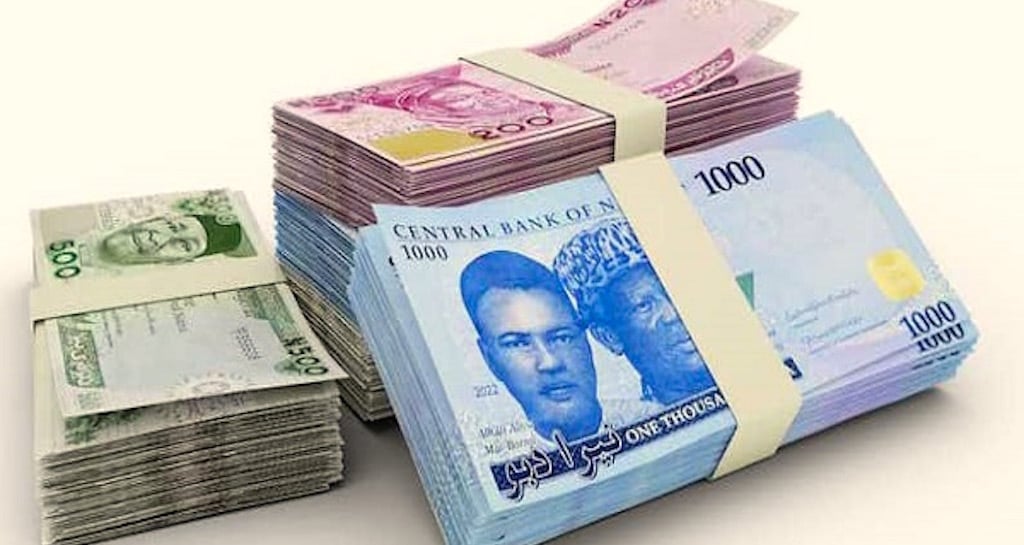
The naira strengthened to 1,446.74 per dollar last week as fresh data from the Central Bank of Nigeria showed that foreign capital inflows climbed to $20.98bn in the first ten months of 2025, a development that analysts say underscores renewed investor confidence and sustained Naira gains.
Also read: NNPCL faces mounting strain from crude-backed loan burdens
The currency appreciated by 0.69 per cent from the previous week’s rate of 1,456.72 per dollar, trading below 1,450 per dollar at the official window for most of the week.
At the parallel market, it eased slightly to 1,476 per dollar.
Governor of the CBN Olayemi Cardoso disclosed the surge in inflows at the 60th Annual Bankers’ Dinner in Lagos.
He said the figure represents a 70 per cent increase over total inflows for 2024 and a powerful 428 per cent jump from the $3.9bn recorded in 2023.
The latest Cowry Asset Management report attributed the currency’s improved performance to a more balanced market, noting that liquidity strengthened, bid–offer spreads narrowed and pricing became more stable.
The firm said the MPC’s decision to reaffirm the willing-buyer-willing-seller model helped anchor expectations and reinforced a market-driven FX framework.
Analysts at AIICO Capital linked the gains to robust activity from Foreign Portfolio Investors who offloaded dollar positions, improving supply conditions and easing demand pressures.
They said the steady flow of foreign funds created a favourable environment for appreciation across key FX benchmarks.
Cowry Asset Management said mild pressure may persist in the coming days due to structural imbalances and sustained demand but added that rising external reserves provide an essential buffer.
The firm noted that month-end inflows should offer short-term support, particularly in the calmer post-MPC environment.
Cardoso said ongoing reforms have reshaped the FX landscape, citing the unification of exchange-rate windows and the clearance of the multi-billion-dollar FX backlog.
He said the Nigerian Foreign Exchange Code has strengthened transparency, ethics and governance among authorised dealers, while the Bloomberg-powered Electronic Foreign Exchange Management System has enhanced price discovery and regulatory visibility.
He added that the reforms have curtailed opacity, restored discipline and narrowed the gap between the official and parallel markets to under two per cent, down from more than 60 per cent previously.
Also read: Osun imposes strict curfew in Igbajo after unrest
Cardoso said the surge in capital inflows affirms the resurgence of foreign investor confidence in Nigeria’s economic direction.