
Access Bank spearheads National Theatre Lagos revival, boosting Nigeria’s creative economy and global cultural influence
When the National Theatre Lagos first opened ahead of FESTAC ’77, an architectural
marvel, a symbol of the cultural soul of a nation ready to introduce its artistic brilliance
to the world.
Also read: Beyoncé becomes Billionaire, joins exclusive Music Mogul Club
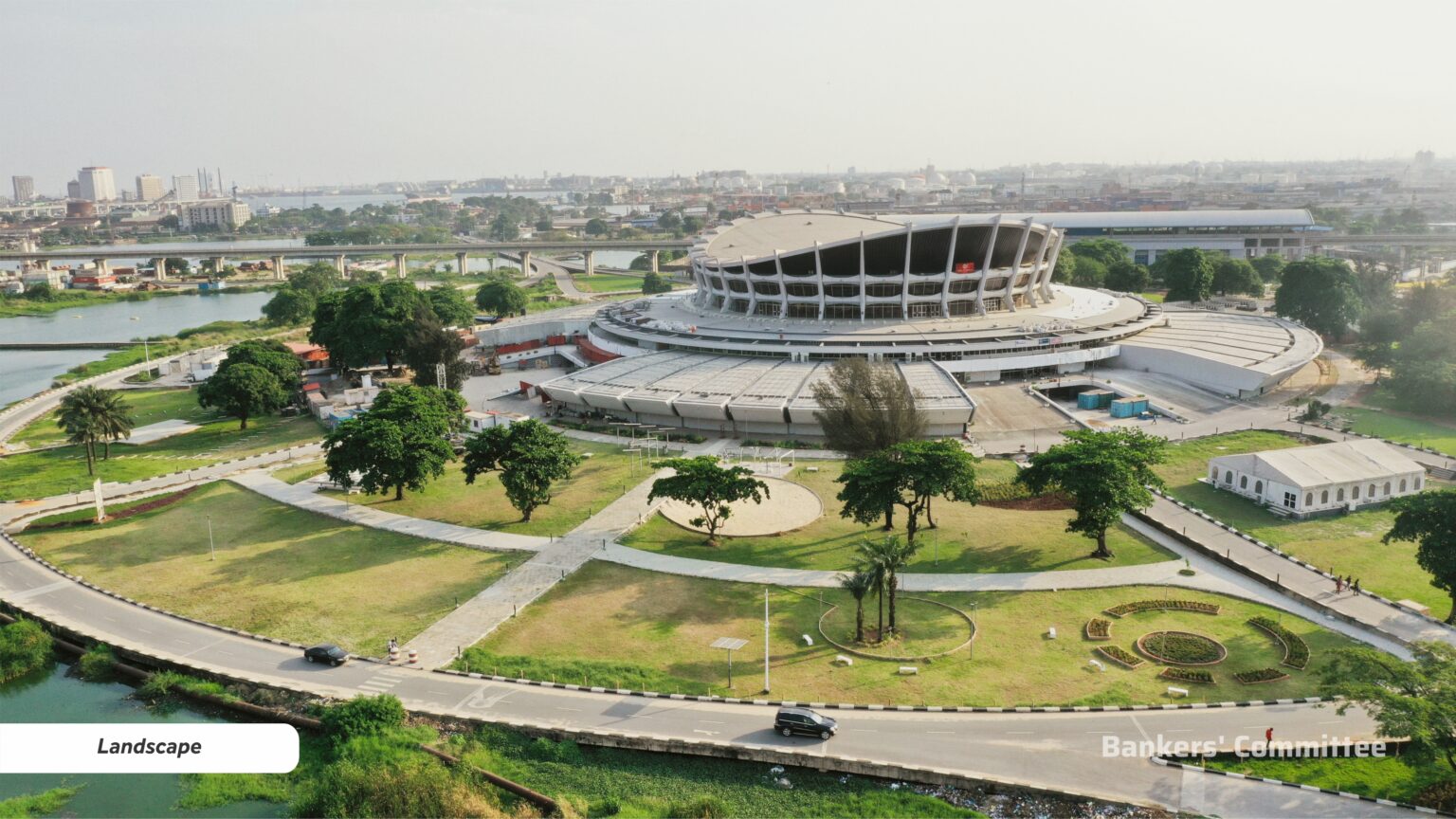
Modelled after the Varna Palace of Culture and Sports in Bulgaria and
constructed between 1973 and 1976, the National Theatre was designed as an
emblem of Nigeria’s ambition to be Africa’s cultural capital.
Its 5,000-seat main hall, festival arena, exhibition spaces, and state-of-the-art acoustics made it one of the most
sophisticated performance complexes on the continent.

Throughout the 1970s and 1980s, the Theatre became home to Nigeria’s most iconic
productions, from Hubert Ogunde’s epic plays to international dance festivals,
orchestral performances, film premieres, and global conferences.
It was a beacon for African creativity, a place where culture, identity, music, and storytelling came alive.
But by the early 2000s, the Theatre, though heavy with cultural memory, had fallen into
disrepair.
Years of inadequate maintenance, stalled concession agreements, and
structural depreciation left the building struggling to meet modern technical and
creative demands. The symbol of national pride had become a shadow of its past
promise.
Recognising the scale of cultural loss and the opportunity embedded within it, the
Bankers’ Committee, with Access Bank playing a pivotal role, initiated the largest
cultural infrastructure revitalisation project in contemporary Nigeria. The decision was
www.accessbankplc.com
both strategic and patriotic: Nigeria’s creative industry, now contributing significantly to
GDP through film, fashion, music, design, cultural tourism, and digital content, urgently
needed a modern, centralised hub that could support global-standard production and
creative entrepreneurship.
Reviving the National Theatre would not only restore a national icon but also stimulate job creation, attract international collaborations, and
reposition Lagos as a premier African creative economy hub.
The renewal of the National Theatre is therefore more than a restoration project; it is a
necessary economic intervention, a cultural renaissance, and a visionary step toward
building a more inclusive and future-ready Nigeria.
And for Access Bank, supporting this transformation is a natural continuation of a long, deliberate commitment to art,
culture, and creative empowerment.
Access Bank’s Legacy of Championing the Creative Economy
Well before Nigeria’s creative industry gained global recognition, Access Bank had
positioned itself as a cultural investor and ecosystem builder.
For over a decade, the Bank has supported transformational initiatives across music, visual arts, fashion, film,
sustainability, and youth development.
Access Bank has helped spotlight emerging and established African artists on a global
stage through partnerships and collaborations with platforms like ART X.
The annual fair, now one of Africa’s most influential contemporary art events, has benefitted
immensely from the Bank’s commitment to nurturing young talent, commissioning bold
projects, and providing a meeting point for creators, collectors, and global art
enthusiasts.
www.accessbankplc.com
In film and entertainment, Access Bank has backed festivals, documentaries, youth-
focused storytelling, and creative incubators, recognising that Nigeria’s cultural exports
are among its most powerful global assets.
Across literature, community theatre, design, and public art, the Access brand remains synonymous with innovation,
creativity, and cultural elevation.
The revival of the National Theatre is thus an extension of this commitment.
A Cultural Renaissance Rooted in National Development
The National Theatre project is designed as a two-phase undertaking. Phase One,
already significantly advanced, focuses on restoring the original theatre structure.
This includes upgrading the main stage, cinema halls, exhibition spaces, lighting systems,
acoustics, seating, ventilation, and accessibility infrastructure.
The goal is to return the iconic building to world-class functionality while preserving its historic architecture.
Phase Two introduces a modern Creative Industries Park, a multi-purpose
development designed to house film production studios, music recording labs, fashion
houses, IT and gaming centers, photography studios, coworking spaces, and training
academies.
This innovation hub is expected to host thousands of young creators
annually, enabling them to produce, learn, collaborate, and scale ideas into globally
competitive businesses.
With Access Bank’s involvement through the Bankers’ Committee, the project has
attracted international partnerships, institutional investors, technical specialists, and
creative collaborators.
It is poised to become one of the most significant cultural and
economic catalysts in West Africa.
In a world where creative exports have become a major source of national influence,
from Nollywood films to Afrobeats, digital arts to global fashion, infrastructure is
destiny. Nigeria’s young creators generate some of the world’s most consumed cultural
www.accessbankplc.com
content, yet the ecosystem has lacked the physical and institutional support systems
needed to harness that potential fully.
The revitalised National Theatre is therefore a launchpad for Nigeria’s next creative
era.
With Access Bank’s long-standing commitment to empowering Africa’s creative
industries, the revival blends heritage with innovation, history with ambition, and art
with economic development.

From art fairs to creative hubs, sustainability initiatives to youth empowerment, Access
Bank continues to champion platforms that inspire, educate, and elevate communities
across the country.
Also read: Beyoncé becomes Billionaire, joins exclusive Music Mogul Club
By supporting the transformation of the National Theatre, the Bank has once again
placed itself at the heart of Nigeria’s cultural renewal, bridging past and future,
preserving heritage, and building an ecosystem where creativity can thrive without
limits.