
Nigeria records a positive drop in petrol import bill by N6tn as NBS data links the decline to stronger domestic refining output
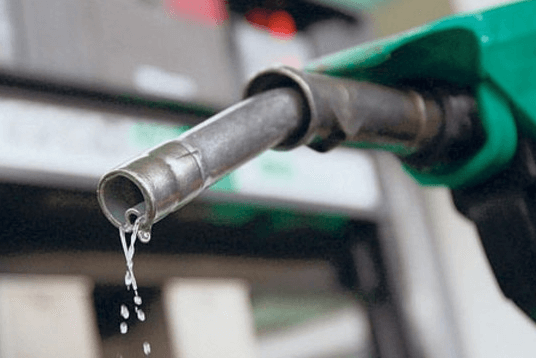
National Bureau of Statistics filings in Abuja on 12 December showed that Nigeria recorded a positive drop in petrol import bill during the first nine months of 2025, as the value of motor spirit imports fell sharply to N5.42tn from N11.50tn in the same period of 2024.
Also read: John Ajayi, Nigeria’s brand journalism architect, drops pen at 62
The 52.82 percent contraction reflects a significant shift in the country’s fuel supply structure as domestic refining capacity expands.
Quarterly figures indicate that the decline has been steady since January.
Nigeria spent N3.81tn on petrol imports in the first quarter of 2024, but this fell to N1.76tn in the first quarter of 2025.
The second quarter saw a similar pattern, with imports dropping from N4.36tn to N2.38tn.
The steepest fall occurred in the third quarter, where the bill slid from N3.32tn to N1.29tn, marking a 61.2 per cent year-on-year drop.
Taken together, Nigeria imported N6.07tn less petrol across the first three quarters of 2025 than it did a year earlier.
Analysts said the consistency of the decline aligns with better domestic output and waning dependence on offshore suppliers.
The trend has also eased some foreign exchange pressure created by large-scale fuel importation since the subsidy reform of 2023.
The data shows that while petrol remained a top import item, its share of the import basket has thinned considerably.
The shift corresponds with the growing influence of the Dangote Petroleum Refinery, which began diesel and aviation fuel production in January before adding petrol output in September.
The 650,000-barrel-per-day facility introduced competition into the downstream sector, leading to periodic drops in pump prices nationwide.
However, the refinery faced early hurdles, including a temporary halt to naira-denominated sales in March due to difficulty sourcing foreign exchange.
The Federal Government later intervened to resolve the naira-for-crude challenge, ensuring uninterrupted domestic supply.
During a recent visit by President Bola Tinubu to the $20bn plant in Lekki, Dangote Group President Aliko Dangote hinted at what he described as a powerful “shakedown” in the downstream sector.
He said the move would amount to a full overhaul rather than a price adjustment and added that the refinery would expand aggressively over the coming years.
Dangote also confirmed plans to list the refinery on the stock market, starting with the group’s fertiliser business.
He said the project’s economic benefits would deepen over time and insisted that the era of prolonged fuel queues in Nigeria was over.
Industry reports indicate that the refinery intends to boost its capacity from 650,000 barrels per day to 1.4 million barrels per day, supported by Middle Eastern financing.
S&P Global reported that such an expansion would make the facility the largest refinery in the world.
The plant has already transformed Nigeria into a net exporter of diesel and jet fuel while significantly reducing petrol imports once dominated by European suppliers.
Also read: Nigeria, Saudi Arabia sign strategic defence cooperation pact
Dangote described his aim to advance African energy independence as a Herculean undertaking, noting that further expansion must occur within Nigeria to leverage existing infrastructure and avoid costly development elsewhere.