
NMDPRA import duty plan suspended as regulator assures Nigerians of adequate fuel supply and warns against panic buying amid peak demand
NMDPRA import duty implementation on imported petrol and diesel has been officially shelved, according to a statement released by the Nigerian Midstream and Downstream Petroleum Regulatory Authority on Thursday.
Also read: How PINL saves Nigeria $700m monthly in oil revenue
The Authority confirmed that the proposed 15 per cent ad-valorem import duty on Premium Motor Spirit (PMS) and Automotive Gas Oil (diesel) is “no longer in view.”
The clarification came through a post on the agency’s official X handle, signed by its Director of Public Affairs, George Ene-Ita.
“It should also be noted that the implementation of the 15 per cent ad-valorem import duty on imported Premium Motor Spirit and Diesel is no longer in view,” the statement read.
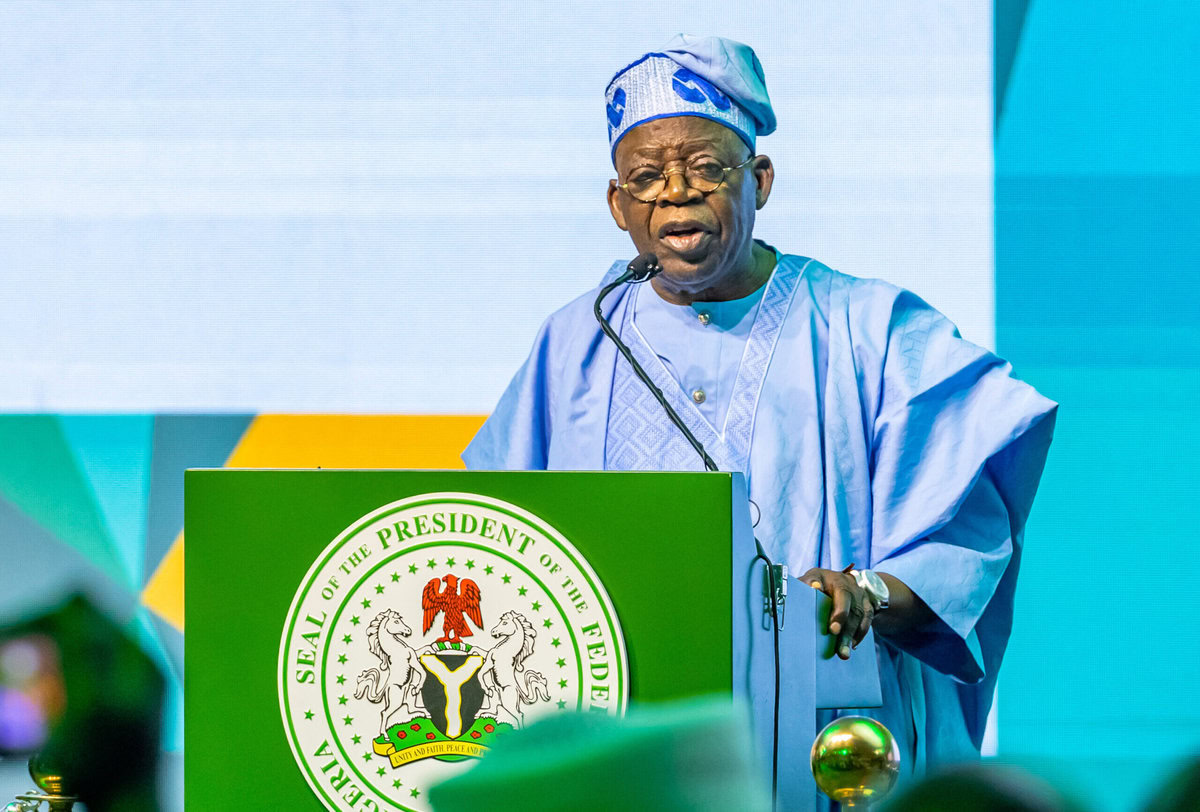
The move marks a reversal of an earlier directive reportedly approved by President Bola Tinubu, which had stirred debate within the downstream sector over potential implications for fuel prices and supply.
Reassuring the public, NMDPRA stated that the nation’s petroleum stock levels remain within acceptable sufficiency thresholds.
“There is a robust domestic supply of petroleum products sourced from both local refineries and importation to ensure timely replenishment of stocks at depots and retail outlets,” the agency said.
The Authority urged marketers and consumers alike to avoid hoarding, panic buying, or any unjustified price increases, warning that it would enforce appropriate regulatory measures to prevent disruptions in supply and distribution across the country.
“NMDPRA remains committed to guaranteeing energy security and sustaining uninterrupted fuel availability,” the statement added, while commending industry stakeholders for their cooperation in maintaining stability during this peak demand period.
Also read: India export plan counters US tariff pressure
The announcement is expected to ease concerns within the energy market, with analysts viewing it as a positive signal for price stability and supply continuity in Nigeria’s critical downstream sector.