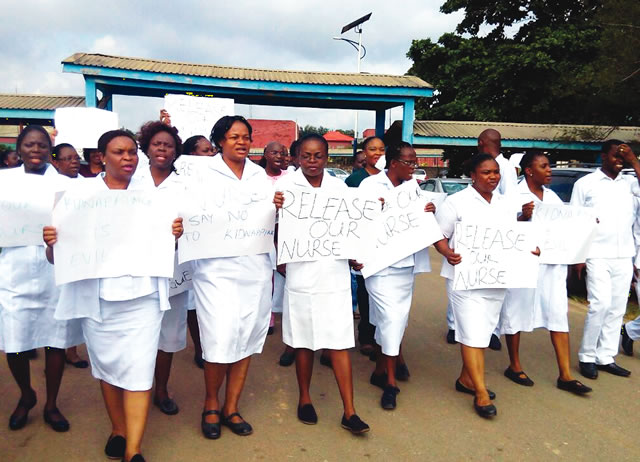

Resident Doctors Strike cripples Osun hospital as UTH Osogbo doctors join NARD’s nationwide action over unmet welfare and service demands
Resident Doctors strike has paralysed medical services in Osun State as doctors at the University of Teaching Hospital (UTH), Osogbo, joined the nationwide indefinite strike declared by the Nigerian Association of Resident Doctors (NARD).
Also read: Nigerian Association of Resident Doctors suspends strike
President of the Association of Resident Doctors in Osun, Dr Phillip Ajibade, confirmed the development on Saturday, stating that the industrial action followed a clear directive from the national body.
According to Ajibade, “The NARD president was clear. He has directed all members across Nigeria to embark on a total, indefinite, comprehensive strike. ARD UTH Osogbo is an affiliate of NARD, and we have complied.”
He emphasised that the issues at the centre of the Resident Doctors Strike, including poor welfare and unpaid allowances, affect all resident doctors nationwide.
“What NARD is demanding from the Federal Government and fighting for equally affects us as doctors,” he said.
National President of NARD, Dr Mohammad Suleiman, in a statement issued on Saturday, announced that the strike began after the 30-day ultimatum given to the Federal Government expired without concrete action.
He said the move was unavoidable following several unfulfilled promises and fruitless meetings aimed at improving working conditions and service delivery.
The Resident Doctors Strike has disrupted patient care at UTH Osogbo and other health facilities, with many wards and outpatient departments left unattended.
Suleiman reiterated that the industrial action would continue until the Federal Government meets the association’s demands, which include better funding for training, timely payment of arrears, and improved hospital infrastructure.
Also read: Nigerian Association of Resident Doctors threatens strike
The ongoing Resident Doctors Strike marks one of the most decisive actions taken by the association in recent years, reflecting growing frustration within the medical community over what many describe as chronic neglect of the nation’s health workforce.