
Ethanol mandate Nigeria could reduce petrol costs, create jobs, and boost energy security as global oil prices surge again
On August 29, 2023, at the height of the fuel subsidy removal crisis in Nigeria, I published an article in The Nation Newspaper titled “Achieving Pump Price Relief Through Ethanol Mandate.”
Also read: Dangote Refinery raises petrol price to N1,175, sales halt
In that piece, I argued that Nigeria should begin exploring ethanol as an alternative fuel option to cushion the effects of rising gasoline prices on ordinary citizens. Recent global developments make it necessary to revisit that argument.
Across the world, the price of petroleum products has surged once again, partly due to geopolitical tensions involving Iran and the growing risks to maritime shipping routes in critical oil transit corridors.
Whenever crude oil prices rise, gasoline prices inevitably follow. Transportation costs increase almost immediately, triggering a ripple effect that spreads through the entire economy.
Nigeria, unfortunately, remains extremely vulnerable to these shocks. When fuel prices increase, transportation costs rise sharply. Food prices soon follow.
The cost of essential goods escalates, and inflation deepens the economic hardship faced by millions of Nigerians. This cycle has become painfully familiar in recent years.
Nigeria today is undergoing a difficult but necessary phase of economic reform under President Bola Ahmed Tinubu.
Policies such as the removal of fuel subsidies and the equalization of the foreign change rates were intended to correct long-standing distortions in the economy and restore fiscal sustainability.
While these reforms are necessary for long-term economic stability, their short-term effects have placed significant pressure on households.
Thus providing relief without increasing the deficit or defeating the purposes of the reforms make adoption of ethanol an indispensable option.
The dividends of reform will take time to materialize. In the meantime, policymakers must urgently consider practical strategies that can provide relief to Nigerians while supporting broader economic transformation.

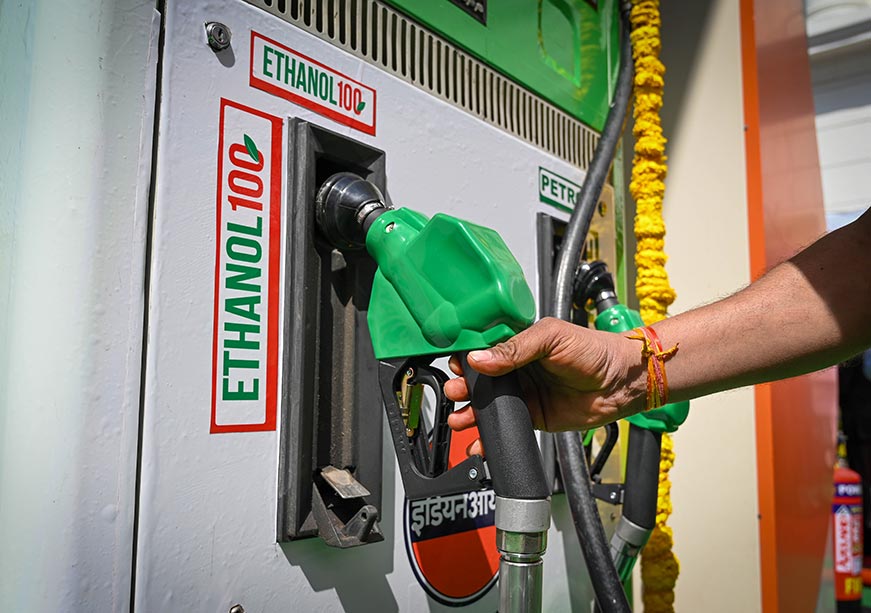
One such strategy is the adoption of ethanol as a national fuel alternative.
Learning from Global Examples
Many countries already blend ethanol with gasoline to reduce fuel costs and strengthen energy security.
In the United States, gasoline typically contains around 10 percent ethanol, a policy that has helped reduce petroleum dependence while supporting domestic agriculture.
An even more striking example is Brazil. Despite being a major oil producer, Brazil began reforming its fuel system in the 1970s to incorporate ethanol derived primarily from sugarcane.
Today, most Brazilian vehicles are designed as flex-fuel engines, capable of running on gasoline, ethanol, or a mixture of both. In many cases, vehicles run entirely on ethanol. Nigeria can pursue a similar path.
Why Ethanol Makes Sense for Nigeria
Nigeria sits on vast crude oil reserves, yet paradoxically struggles with high fuel prices due to limited refining capacity and heavy reliance on imported refined products.
Ethanol blending offers an opportunity to reduce this dependency while simultaneously creating economic opportunities at home. Ethanol can be produced from crops that Nigeria already grows in abundance, including:
• Cassava
• Sugarcane
• Corn
These crops could become the foundation of a thriving biofuel industry capable of supplying domestic fuel demand while creating new markets for Nigerian farmers.
A Catalyst for Job Creation
The economic impact of a national ethanol program could be profound.
Unlike crude oil extraction, which is capital-intensive and geographically concentrated, ethanol production spreads economic activity across multiple sectors and regions. A robust ethanol industry would generate employment in:
• Farming and crop cultivation
• Agricultural supply chains
• Biofuel processing plants
• Logistics and transportation
• Commodity brokerage and trading
At a time when youth unemployment remains a major challenge, the ethanol value chain could provide meaningful opportunities for thousands of young Nigerians—particularly graduates seeking productive engagement in agriculture and agribusiness.
Complementing Existing Energy Policies
The federal government has recently introduced initiatives to promote Compressed Natural Gas (CNG) as an alternative fuel for vehicles.
This effort is commendable and represents an important step toward diversifying Nigeria’s energy mix. However, CNG alone cannot address Nigeria’s fuel challenges.
Ethanol offers an additional pathway that complements existing initiatives. While CNG focuses on natural gas resources, ethanol builds an entirely new economic ecosystem rooted in agriculture and manufacturing.
The two policies can work together to gradually reduce Nigeria’s dependence on gasoline.
A Policy Proposal
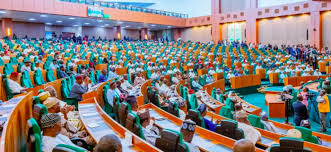
To begin this transition, the federal government should consider introducing legislation that mandates a 10–20 percent ethanol blend in gasoline.
Such a mandate would create immediate demand for ethanol production while allowing the automotive industry and fuel distribution networks time to adjust.
In addition, government policy should include:
• Incentives for investors to build ethanol refineries
• Financial support for farmers cultivating ethanol feedstock crops
• Regulatory frameworks for fuel blending and distribution
• Partnerships between government, agribusiness, and the private sector

With the right policy framework, Nigeria could build a thriving biofuel industry within a decade.
Addressing Structural Inefficiencies
At the same time, Nigeria must confront persistent inefficiencies in its petroleum sector.
For decades, state-owned refineries under the Nigerian National Petroleum Company Limited have absorbed enormous public resources while producing little output.
These facilities have failed to function effectively and should be privatized, restructured, or decommissioned if credible investors cannot be found.
No nation can afford to sustain public institutions that consume resources without delivering results.
A Strategic Opportunity
Nigeria’s economic reforms are both necessary and inevitable. But reform must also be accompanied by innovation and forward-looking policies that expand opportunity.
Ethanol represents more than just an alternative fuel. It is a strategic economic opportunity, one capable of lowering fuel costs, strengthening energy security, revitalizing agriculture, and creating jobs.
At this critical moment in Nigeria’s economic journey, embracing ethanol could provide a pathway not only to energy diversification but also to broader national development.
Also read: Crude Oil Drops to $83: Nigeria Petrol Prices Update
The time has come for Nigeria to seriously consider an ethanol mandate as part of its long-term energy strategy.