
Patients at the Federal Teaching Hospital Gombe have lamented poor services as resident doctors’ strike cripples medical operations across the facility
Patients at the Federal Teaching Hospital, Gombe, have expressed deep frustration over the ongoing strike by members of the National Association of Resident Doctors (NARD), which has paralysed medical services across the facility.
Also read: Resident Doctors strike cripples Osun hospital services
Consultants have reportedly taken over clinical duties to prevent a total shutdown, but the impact remains severe.
At the General Outpatients Department (GOPD), only 25 patients were attended to by the available physician a sharp drop from the usual 40. Many who arrived as early as 6 a.m. were turned away without care.
One of the patients, Grace John, said she had paid the ₦500 follow-up consultation fee before realising the quota had been filled.
“It’s painful that I came out only to waste my time,” she lamented. “If I was dying now, that’s how I would have been abandoned. I paid ₦500 to fast-track the process, only to find out they had already exceeded their target.”
Another resident, who declined to be named while seeking help for her brother with a liver ailment, also decried the situation.
“I really need to get a number for my brother to see the doctor, but they said they’ve exceeded the number they planned to see. This is very sad,” she said.
Similarly, Fatima Abass, another patient, said she was at the hospital early but could not make the list.
“I was here as early as 6 a.m., yet I couldn’t see the doctor,” she said.
“What sort of system do we have? This is the only thing the masses benefit from, yet both the government and doctors play with it.”
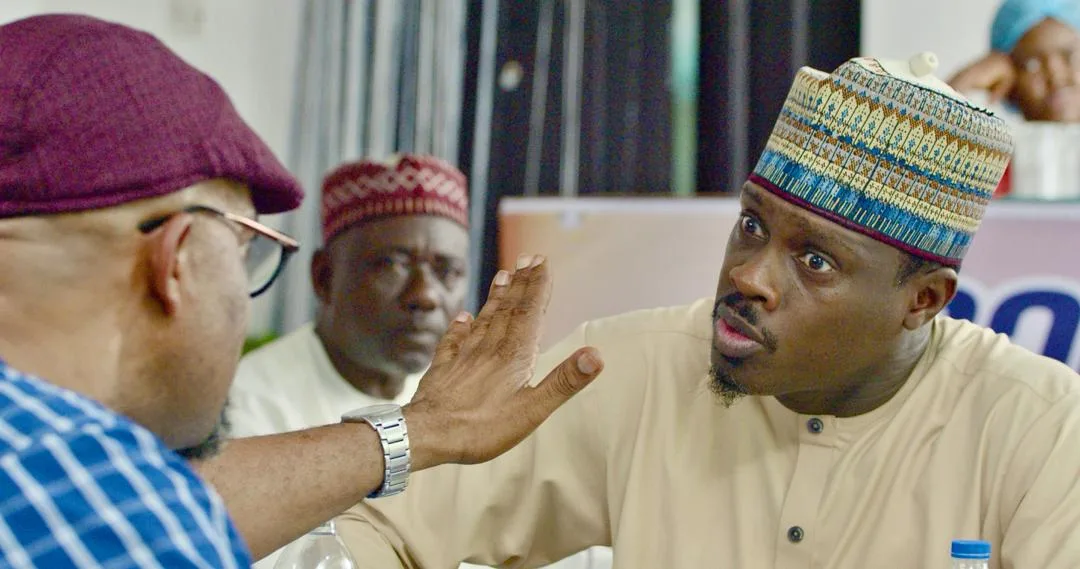
Speaking on the crisis, Dr Kefas Wida, former Vice President of NARD, said the strike was the result of years of government neglect and poor welfare conditions for doctors.
“We have a system where one or two resident doctors run entire departments,” he said. “How is that done anywhere in the world? If they’re overworked, why shouldn’t they be compensated, especially when most doctors have left the country?”
Wida explained that despite several agreements with the government, many allowances remain unpaid.
“The last time NARD went on strike was three years ago.
The allowances agreed upon then have still not been paid. Politicians get their money promptly, but those doing the work are told there’s no money,” he said.
He also highlighted the financial burden of medical training and examinations, saying he spent nearly ₦1 million qualifying as a consultant.
“When you consider how many months of my salary that took, it’s frustrating. No one talks about it,” he added.
Wida urged the government to prioritise the healthcare sector, stressing that many doctors work under extreme fatigue.
“Sometimes we work for two days without rest,” he said. “The next patient you’ll see, you might not even be in the right frame of mind.”
He criticised the government’s proposed ‘no work, no pay’ policy, describing it as insensitive.
“If we are not paid already, how is refusing to pay us any different? We need to be responsible in this country,” he said.
Also read: Nigeria doctor shortage worsens as NARD limits call hours
The strike at the Federal Teaching Hospital Gombe has left many residents anxious, as the absence of adequate medical care continues to take a toll on patients and families seeking urgent attention.