The Nigerian government, in partnership with the World Bank and Global Partnership for Education, launches the $552.18m HOPE-EDU and HOPE-GOV programmes to improve learning outcomes, empower teachers, and construct classrooms nationwide
The Federal Government of Nigeria has commenced full implementation of the $552.18 million HOPE for Quality Basic Education for All (HOPE-EDU) and HOPE-Governance (HOPE-GOV) programmes, targeting a comprehensive overhaul of the nation’s basic education system.
Also read: Sanwo-Olu launches $25M education fund, issues school order
The initiatives, developed in partnership with the World Bank and the Global Partnership for Education, aim to improve learning outcomes for over 29 million children, empower 500,000 teachers, construct 13,000 classrooms, and reintegrate millions of out-of-school children across Nigeria.
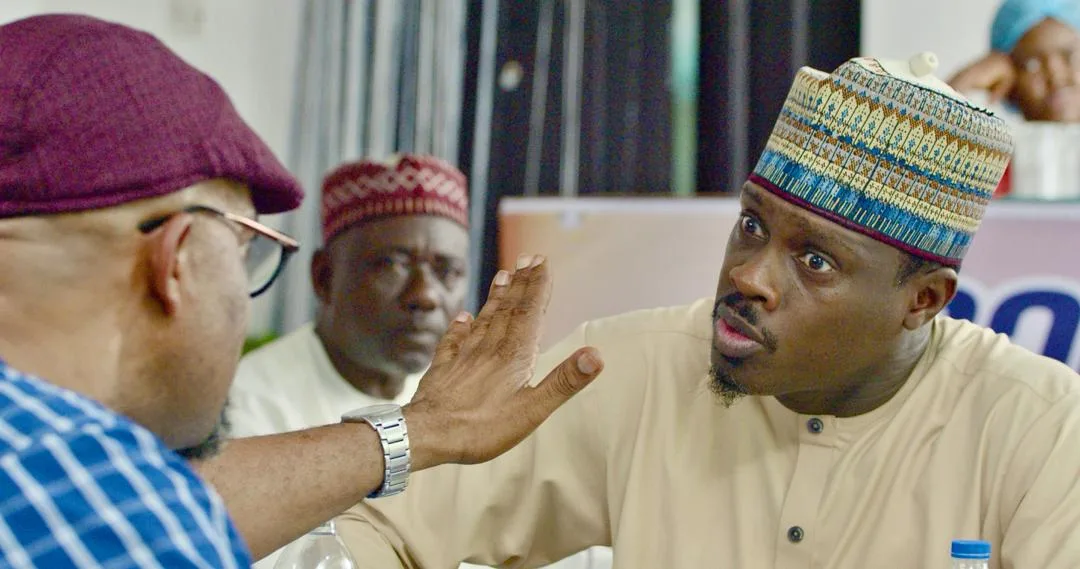
Executive Secretary of the Universal Basic Education Commission, Aisha Garba, revealed the programme during the opening of a three-day sensitisation workshop in Ikeja, Lagos, attended by Commissioners of Education, Chairmen of State Universal Education Boards, and heads of implementing departments.
Garba described the programme as “a movement that will echo through classrooms, communities, and generations to come,” emphasizing that state-level implementation and grassroots execution are critical to its success.

Aligned with President Bola Tinubu’s Renewed Hope Agenda, the HOPE initiative focuses on improving teaching and learning materials, strengthening teacher capacity, enhancing learning outcomes, and providing essential school infrastructure.
Garba stressed inclusivity, highlighting the importance of prioritizing girls, children with special needs, vulnerable groups, and children in conflict zones.
“The real work happens at the grassroots. You will lead needs assessments, community mobilisation, and on-the-ground execution,” Garba said, adding that accountability and transparent tracking of funds are key to achieving programme goals.
The HOPE-EDU programme adopts a results-based financing model with three key objectives: increasing education quality, improving access, and strengthening systems. States will receive incentives upon achieving measurable outcomes against disbursement-linked indicators.
The national rollout is being conducted in phases: the first phase targeted South-South and South-East states in Uyo, Akwa Ibom; the second phase covers South-West and North-Central states in Lagos; and a third phase will include North-West and North-East states in Kano.

Garba urged stakeholders to engage civil society, parents, local governments, and the private sector, emphasizing that “education for all is the responsibility of all.”
Also read: Gbajabiamila urges strong support for education
Officially effective from February 27, 2026, the HOPE-EDU and HOPE-GOV programmes represent a landmark intervention in Nigeria’s basic education sector, addressing long-standing gaps in governance, teacher development, and school infrastructure.