
Nigerian military monitors Boko Haram and ISIS-WA fighters fleeing hideouts following US airstrikes, ensuring surveillance and security operations continue
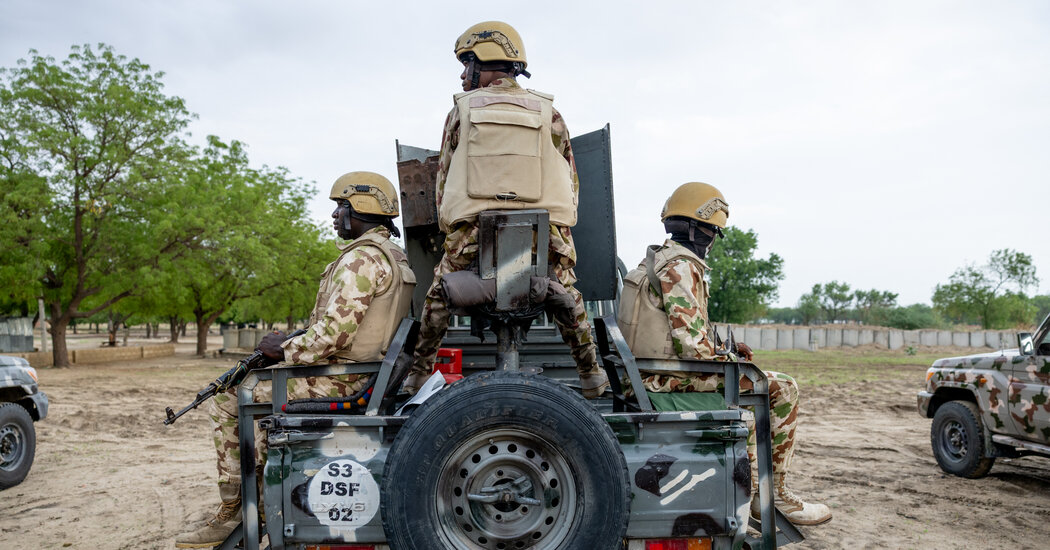
The Nigerian military is actively monitoring Boko Haram and Islamic State West Africa Province fighters who are fleeing their hideouts following recent United States airstrikes, The PUNCH has learnt.
Also read: Nigerian national held in ICE custody over criminal record
US President Donald Trump announced on Christmas Day that American forces conducted lethal strikes against Islamic State targets in north-western Nigeria.
The Federal Government confirmed the operation, describing it as part of ongoing counterterrorism cooperation.
Following the strikes, reports emerged of insurgent movements into other areas. Daniel Abomtse, Chairman of the Traditional Council in Gwer West Local Government Area, Benue State, expressed concern over an influx of armed herders into some communities.
Community leaders in Tangaza, Gudu and parts of Illela in Sokoto State also reported movement by suspected militants toward remote forest corridors and border communities.
Senior military officials told our correspondent on Monday that the insurgents were being tracked through intelligence, surveillance and reconnaissance operations.
“We know they are fleeing. We have information on that and we are working on it. They are being monitored and their movements are being tracked,” one official said.
Retired officers expressed differing opinions on the potential deployment of US troops to Nigeria. Brigadier-General Peter Aro (retd.) opposed foreign troop deployment, warning of legal, diplomatic and social consequences and stressing that Nigerian ground forces already possessed adequate manpower.
He advocated US support in air power, surveillance, and precision strikes without replacing local troops.
Conversely, Brigadier General Bashir Adewinbi (retd.) supported closer security cooperation, linking the Christmas Day strike to a joint Nigeria-US counterterrorism effort.
He said foreign collaboration should follow proper diplomatic processes and clearly defined terms of engagement.
Group Captain Sadique Shehu (retd.), former Nigerian Air Force spokesman, cautioned against relying on US soldiers on Nigerian soil.
He noted that technological support was preferable to foreign boots on the ground, and stressed the importance of Nigerian authorities directly communicating terms of security assistance to citizens.
Meanwhile, US Congressman Riley Moore defended the strikes, stating they aimed to bring peace and security rather than war.
Also read: Port Harcourt refinery shutdown still fuels diesel supply crisis
He highlighted the protection of thousands of Christians facing violence, asserting the joint operation offered hope to vulnerable communities.