
Tinubu requests National Assembly approval to extend the 2025 budget to March 2026 to end overlapping budgets and improve fiscal discipline
President Bola Ahmed Tinubu on Friday formally asked the National Assembly to approve an extension of the implementation of the 2025 Appropriation Act to March 31, 2026, citing the need to end Nigeria’s persistent problem of overlapping budget cycles.
Also read: Tinubu praised as visionary as economic reforms deliver gains
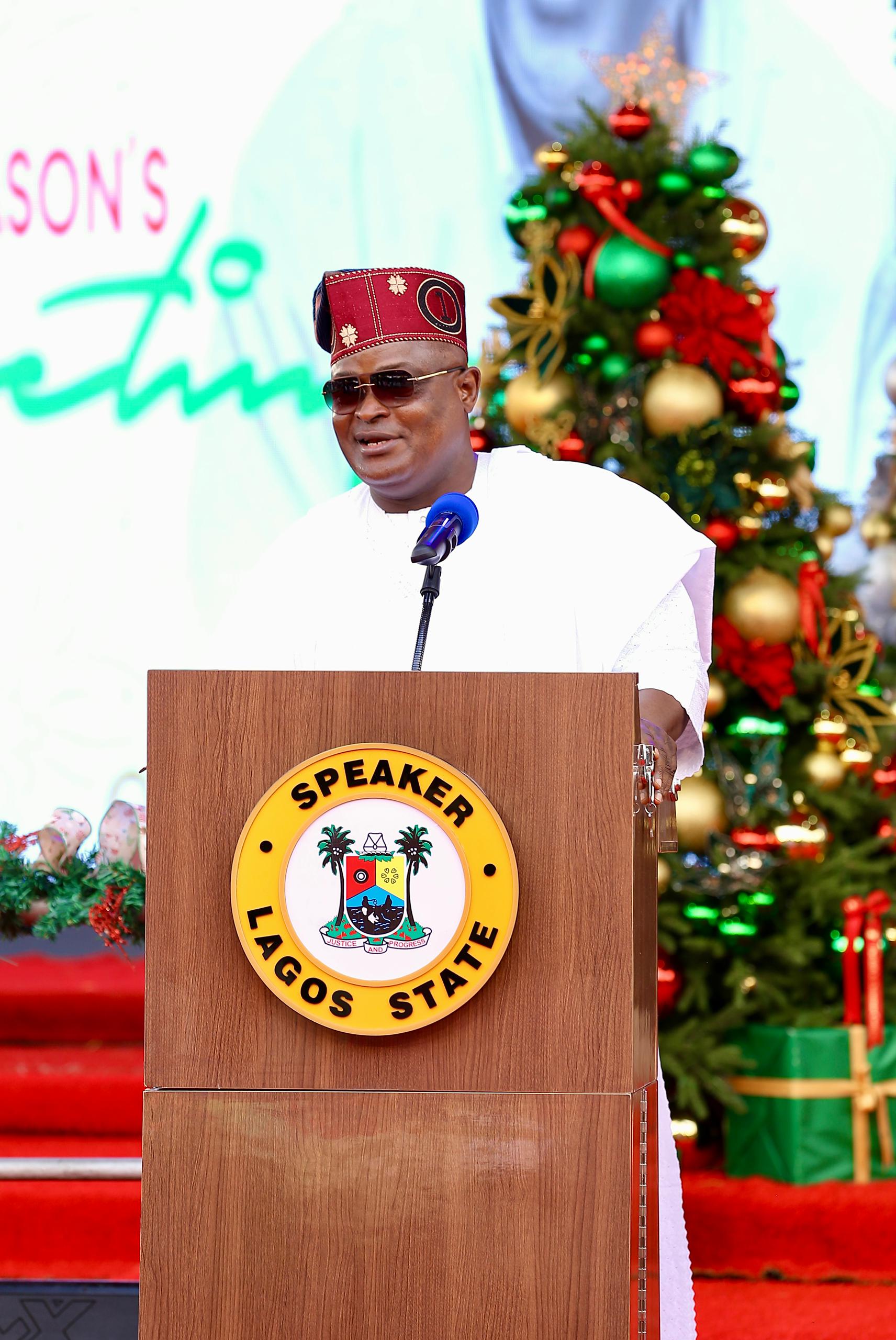
The request was conveyed in a letter dated December 18 and read during a special plenary session of the House of Representatives in Abuja by the Speaker, Tajudeen Abbas.
President Tinubu explained that the new request superseded an earlier letter sent on December 16, 2025, and formed part of broader fiscal reforms aimed at strengthening budget planning, execution and accountability.
According to the President, extending the 2025 budget timeline would allow the Federal Government to release and utilise at least 30 per cent of capital allocations to Ministries, Departments and Agencies, noting that delayed fund releases had consistently undermined budget performance.
The President further informed lawmakers that the proposed repeal and re-enactment of the 2024 Appropriation Act would revise its size to N43.56 trillion, while the 2025 budget would be adjusted downward to N48.32 trillion and extended to cover expenditure up to March 31, 2026.
In the letter, Tinubu stated that the revised 2024 budget would comprise N1.74 trillion for statutory transfers, N8.27 trillion for debt servicing, N11.26 trillion for recurrent non-debt expenditure and N22.27 trillion for capital expenditure.
He added that the re-enacted 2025 Appropriation Act would allocate N3.64 trillion for statutory transfers, N14.31 trillion for debt service, N13.58 trillion for recurrent non-debt spending and N16.76 trillion for capital expenditure and development fund contributions.
Tinubu said the adjustments were designed to reflect current fiscal realities, accommodate previously unrecognised expenditure items and ensure a credible and transparent budget framework.
He urged the National Assembly to consider and pass the bills expeditiously in the national interest, stressing that running multiple budgets simultaneously weakens fiscal discipline, distorts project implementation and complicates accountability.
Since assuming office in May 2023, the Tinubu administration has grappled with delayed budget passages, revenue shortfalls and slow capital releases, challenges that have repeatedly resulted in overlapping fiscal cycles.
Also read: Tinubu orders urgent fix to troubling contractor debt backlog
The Presidency has argued that the proposed extension represents a decisive step towards restoring order and efficiency to Nigeria’s public finance management system.