
US Congress holds joint briefing on Christian persecution in Nigeria, amid kidnappings, religious violence, and rising security concerns
Committees of the United States Congress held a joint briefing on Tuesday addressing ongoing kidnappings and alleged Christian persecution in Nigeria.
Also read: SA court Jails Victor Udoh in harsh drug-trafficking verdict
The session followed instructions from President Donald Trump, who on 31 October directed the House Appropriations Committee to investigate attacks on Christians and report findings to the White House.
The briefing, led by House Appropriations Vice Chair and National Security Subcommittee Chairman Mario Díaz-Balart, included members of the House Appropriations and House Foreign Affairs Committees alongside religious freedom experts.
Participants included Representatives Robert Aderholt, Riley Moore, Brian Mast, Chris Smith, USCIRF Chair Vicky Hartzler, Alliance Defending Freedom International’s Sean Nelson, and Dr Ebenezer Obadare of the Council on Foreign Relations.
Díaz-Balart described global religious freedom as “both a moral obligation and an essential American interest,” asserting that “no one should have to fear for their safety because of how they choose to worship.” He highlighted provisions in his FY26 funding bill aimed at strengthening protections for religious communities.
Lawmakers described the violence as a targeted campaign against Christians in Nigeria’s Middle Belt, noting kidnappings, forced conversions, and deadly attacks.
Moore cited Nigeria’s re-designation as a Country of Particular Concern, stressing the urgency of international attention.
Mast framed the attacks as a broader religious cleansing, urging the Nigerian government to disarm militias, return displaced families, and prosecute perpetrators.
Experts testified to widespread insecurity affecting multiple religious communities.
Hartzler referenced the November abduction of over 300 children and teachers from a Catholic school, while Nelson detailed killings, beheadings, and false prosecutions of Christians.
Obadare identified Boko Haram as the principal threat and recommended sustained US pressure to neutralise jihadist groups and challenge Sharia law in Northern states.
Committee officials said a comprehensive report with recommendations for President Trump is being prepared.
The briefing coincides with increased US–Nigeria security cooperation, including the formation of a Joint Working Group to enhance counterterrorism efforts, intelligence sharing, border security, and civilian protection.
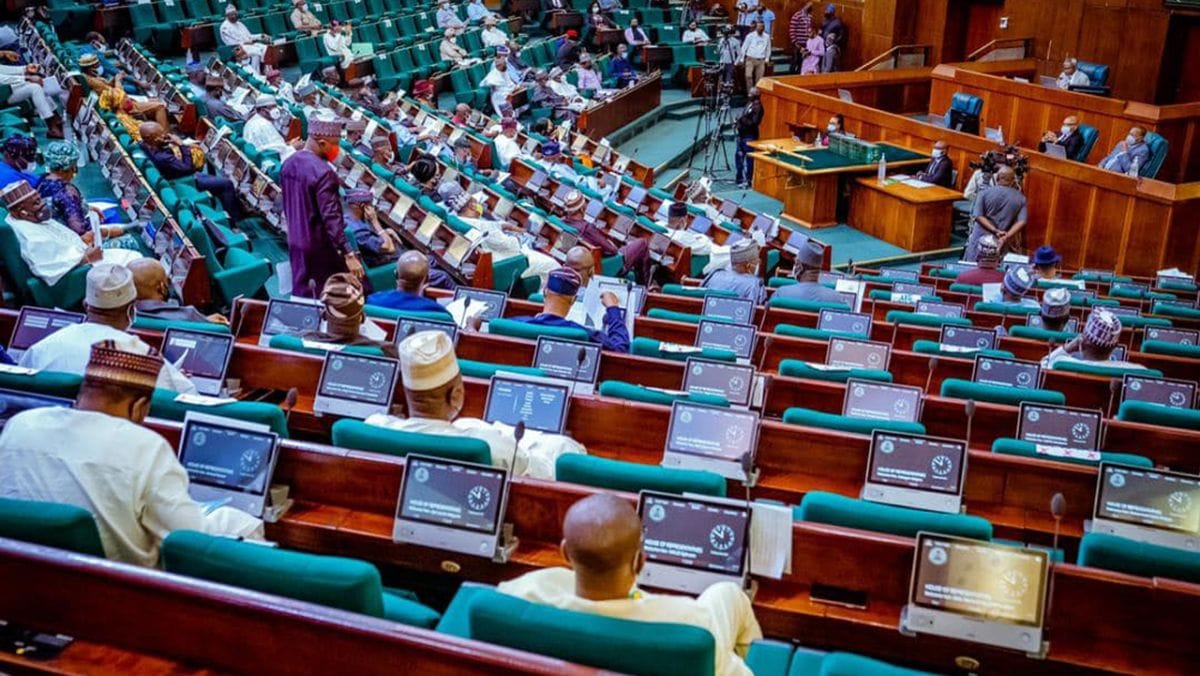
Separately, Nigeria’s House of Representatives will debate national security on Wednesday.
Members, including Mansur Soro and Marcus Onobun, emphasised the urgent need for state policing to address evolving localised insecurity.
Public Accounts Committee Chairman Bamidele Salam also voiced support for decentralised policing.
Also read: SA court Jails Victor Udoh in harsh drug-trafficking verdict
On the same day, President Bola Tinubu met with service chiefs and security agency heads at the Aso Rock Presidential Villa to discuss nationwide security measures, including the recruitment of 20,000 additional police officers and protection of schools, religious sites, and vulnerable communities.