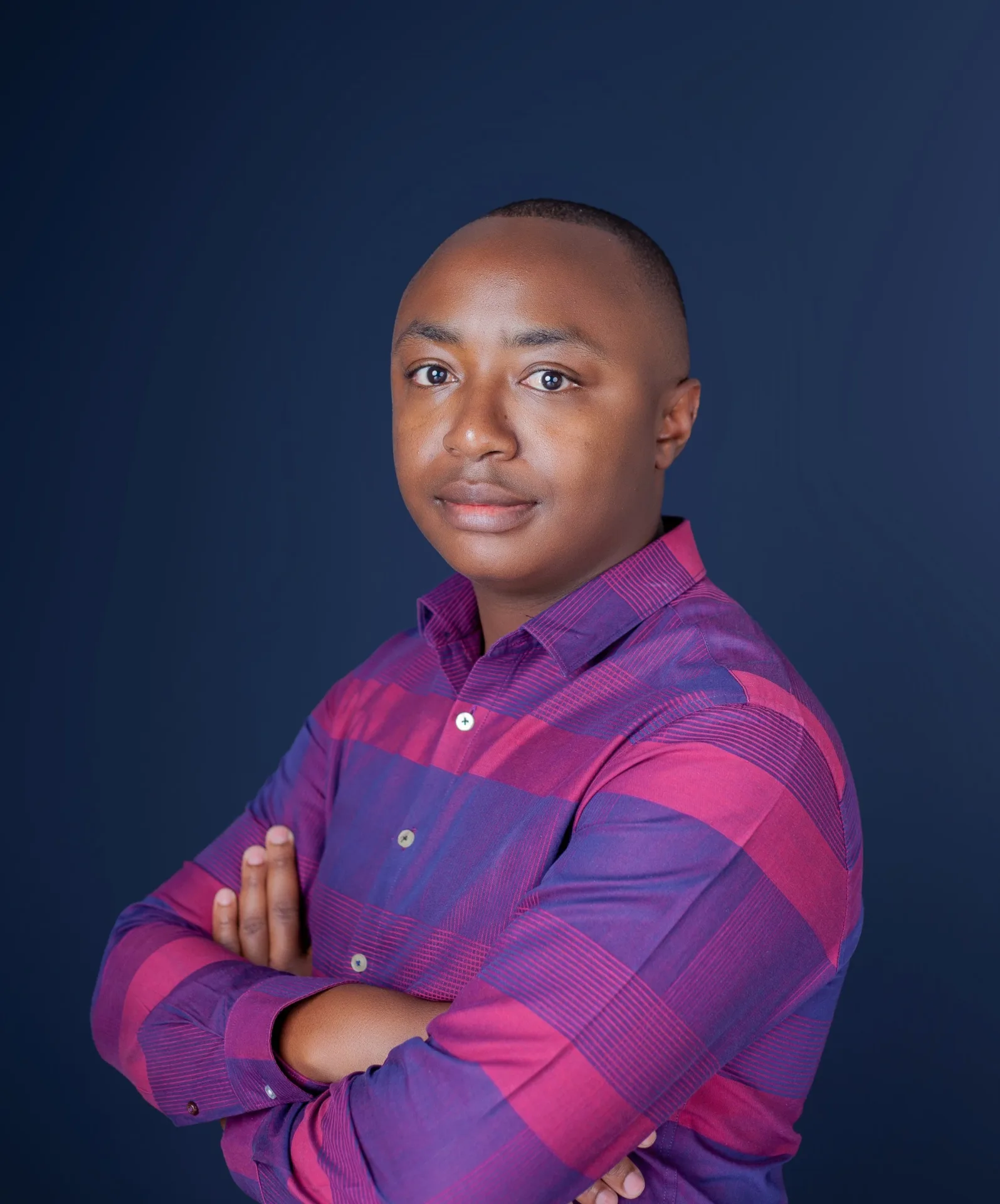

The Caine Prize for African Writing has dismissed allegations that Zimbabwean author Simbarashe Stein Kundizeza used artificial intelligence to produce his award-winning story, The Blue Fighter, confirming that he remains the winner of the 2026 edition.
The organisation announced its decision on Wednesday after an internal investigation found no evidence of generative AI use in the story.
Also read : FG urges India to protect Nigerians in detention
It also confirmed that Kundizeza would retain the £10,000 ($13,000) prize.
The controversy began after an article published in the US magazine The Atlantic questioned the authorship of the winning entry.
Written by Vauhini Vara and titled “Yet Another Literary Prizewinner Seems to Be AI”, the article raised concerns about the story’s style and cited results from the AI-detection platform Pangram.
However, the chair of the Caine Prize’s board of trustees, Ellah Wakatama, said the organisation had conducted a careful and fair investigation before reaching its conclusion.

In a statement shared on the prize’s X account, Wakatama said the review involved interviews with Kundizeza, members of the 2026 judging panel and the editors of Shallow Tales Review, where the story was first published.
The investigation also included independent, expert-led metadata analysis of drafts written by the author.
She said the findings established that The Blue Fighter was human-written and that the award would stand.
The board said it looked forward to formally celebrating Kundizeza before the end of the year.
Kundizeza had earlier rejected the allegations in a post on X on October 13, insisting that he wrote the story himself without using generative AI.
He explained that the work had a documented creative history and was inspired by a poem titled My Father’s Hand by Vangile Gantsho, which he encountered during a residency in Ghana.
According to the writer, the poem influenced him to explore his family’s experiences in Zimbabwe, including his father’s decision to leave accounting for fish-tank construction and the financial difficulties that followed.
The Blue Fighter centres on Tinashe, a young boy whose family experiences financial hardship after his father abandons his profession to pursue his passion for building fish tanks.

The story explores fatherhood, ambition, family responsibilities and the difficult choices people make when financial pressures threaten their livelihoods.
Vara had defended her concerns during an appearance on the BBC’s Front Row programme, explaining that previous Caine Prize-winning stories she tested with Pangram were identified as entirely human-written.
She also said an earlier 2021 story by Kundizeza received the same result, adding that she found the difference in tone between the two works striking.
However, Kundizeza argued that writers develop and change their styles over time and should not be expected to produce every work using a fixed literary approach.
The controversy has also drawn comparisons with other literary disputes involving allegations of AI-generated writing.
In October, Canadian-Haitian author Thélyson Orélien faced accusations that he used AI to write his debut migration novel, C’était ça ou mourir (It Was Either That or Die).
The novel was withdrawn from the shortlist for France’s prestigious Goncourt Prize after Pangram reportedly indicated a 100 per cent probability of computer-generated text, Orélien denied the accusation.
The Caine Prize controversy also sparked criticism among African writers and publishers, with some questioning whether non-white authors were being subjected to unfair scrutiny.
Wale Lawal, founder of The Republic magazine, criticised the allegations, while Zimbabwean writer Joe Ruzvidzo called for resistance against what he described as discriminatory scrutiny of Black and African writers.
Nigerian publisher Modupe Daramola also condemned the article, describing its claims as malicious.
The decision to uphold Kundizeza’s award has renewed discussions about the reliability of AI-detection tools and the risks of relying on automated assessments to determine literary authorship.
Also read : FG urges India to protect Nigerians in detention
It has also highlighted concerns about how unproven allegations can affect the reputations of writers and the credibility of literary awards.

Peculiar Adirika is a journalist and contributor to Freelanews.com, covering news, business, and public affairs.