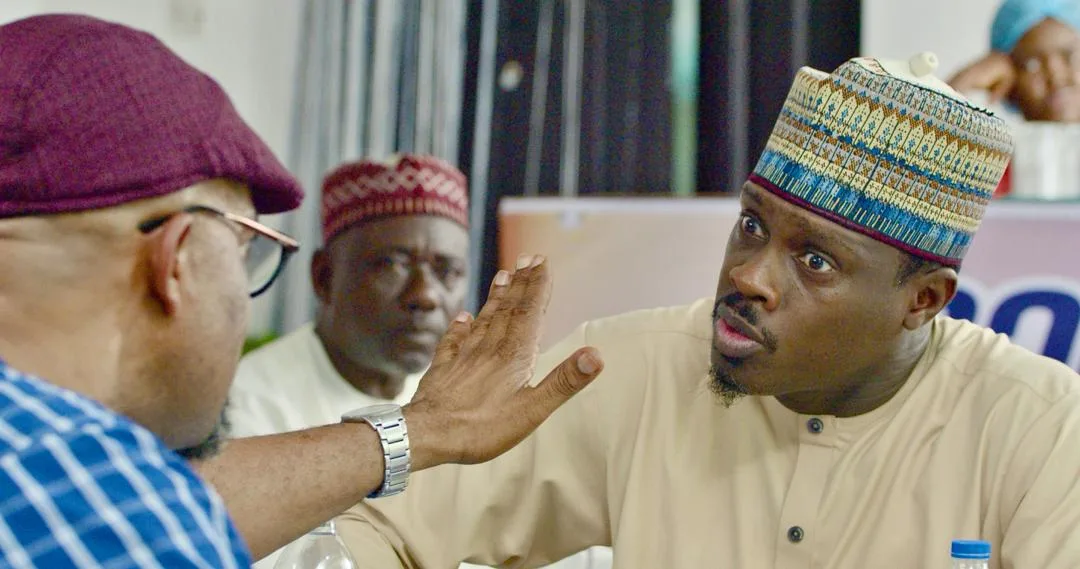

Few figures in Nigerian public life have generated as much controversy as former Minister of Aviation, Femi Fani-Kayode.
Known for his outspoken political commentary, shifting party affiliations and controversial remarks on Nigeria’s ethnic and political divisions, Fani-Kayode has maintained a complicated relationship with different sections of the Nigerian public.
However, following a diplomatic disagreement in South Africa, the newly accredited Nigerian High Commissioner has received support from an unexpected quarter, with some Igbo diaspora groups and commentators from the South-East expressing solidarity with his position.
The development has attracted attention because sections of the Igbo community have previously been among Fani-Kayode’s fiercest critics over his political statements and comments on national issues.
The controversy began on Friday, November 13, 2026, when Fani-Kayode presented his Letters of Credence to South African President Cyril Ramaphosa at the Sefako M. Makgatho Presidential Guest House in Tshwane.

He was among 15 envoys who participated in the diplomatic ceremony.
According to Fani-Kayode, the South African Presidency livestreamed the introductions and speeches of the other 14 ambassadors but interrupted the broadcast when it was Nigeria’s turn, resuming only after he had delivered his remarks.
He described the omission as disrespectful to Nigeria and its citizens, insisting that he would not tolerate any treatment that undermined the dignity of the country he represents.
The Nigerian envoy also disclosed that he raised the matter directly with Ramaphosa during a post-ceremony photo session.
He said the South African President directed relevant officials to address the situation but that the intervention came too late to restore Nigeria’s segment to the original livestream.
Fani-Kayode subsequently declined an interview offered by the South African Broadcasting Corporation, saying he was dissatisfied with the treatment of the Nigerian delegation.
The South African Presidency, however, disputed aspects of his account.
President Ramaphosa’s spokesperson, Vincent Magwenya, said the livestream interruption occurred because of an operational issue while the French ambassador, Antoine Michon, was delivering his address.
Magwenya also rejected Fani-Kayode’s suggestion that Ramaphosa intervened in the operations of the public broadcaster, explaining that the President had no authority to interfere with its editorial processes.
He described the Nigerian envoy’s approach to the incident as inappropriate and urged him to engage constructively with South African institutions.
The South African Presidency later released a separate video containing Fani-Kayode’s speech.
The Nigerian High Commission subsequently defended the envoy, maintaining that Nigeria had been treated with contempt and insisting that Ramaphosa had intervened to address the complaint.
The disagreement generated considerable debate on social media, with Nigerians and South Africans expressing opposing views about the incident and the diplomat’s response.
Why the South-East Support Is Significant
Perhaps the most interesting aspect of the controversy is the support Fani-Kayode reportedly received from some sections of the Igbo community.
For years, his relationship with prominent South-Eastern voices has been strained by political disagreements, controversial historical commentary and statements that attracted criticism from Igbo leaders and youth groups.
His appointment as Nigeria’s High Commissioner to South Africa also generated questions about whether his outspoken temperament was suited to a diplomatic position that requires tact, patience and relationship-building.
Against this background, the solidarity expressed by some Igbo commentators and diaspora groups represents an unusual development in the country’s political discourse.
The response can partly be understood through the experiences of Nigerians living in South Africa, where xenophobic attacks, hostility towards foreign-owned businesses and tensions involving migrants have remained major concerns.
Nigerians from different ethnic backgrounds, including Igbo traders, entrepreneurs and professionals, have been affected by these challenges.
For some members of the diaspora, Fani-Kayode’s insistence that Nigeria should not be treated dismissively appears to have resonated beyond domestic political and ethnic disagreements.
His reaction has therefore been interpreted by supporters as an expression of national pride and a demand for respect for Nigerians abroad.
Groups such as the Igbo Union South Africa and Ohanaeze South Africa were also identified as among the organisations that welcomed his arrival, reflecting the interest of diaspora communities in having an active Nigerian diplomatic presence in the country.
Nigeria had gone four years without a substantive High Commissioner in South Africa before Fani-Kayode’s appointment.
His arrival consequently raised expectations among sections of the Nigerian community that the mission would provide stronger representation and respond more visibly to issues affecting citizens.
A Test Beyond Social Media Support
The controversy also highlights an interesting contradiction in Fani-Kayode’s public image.
His confrontational approach, which has frequently attracted criticism in domestic politics, has earned him support from some Nigerians who believe the country needs a more assertive diplomatic voice abroad.

However, public support following a diplomatic disagreement does not necessarily translate into effective representation.
The real measure of Fani-Kayode’s tenure will be his ability to improve the conditions of Nigerians living and working in South Africa.
Issues such as the protection of Nigerian citizens, the security of their businesses, immigration challenges, consular assistance and the prevention of xenophobic attacks require sustained diplomatic engagement.
The challenge is to combine firmness with the tact necessary to maintain constructive relations with the host country.
Ultimately, the support from some South-Eastern voices presents an opportunity for Fani-Kayode to demonstrate that national interests can transcend political and ethnic divisions.
His responsibility is not limited to Nigerians who support his politics or share his ethnic background. He represents the entire country.
Having attracted attention over his refusal to accept what he considered disrespectful treatment, the next task is to translate that position into practical diplomatic gains for Nigerians across South Africa.
The true success of his posting will be determined not by social media applause or exchanges with South African officials, but by the protection, dignity and opportunities secured for Nigerians living in the country.
AbdulBasit Saba is a journalist and contributor to Freelanews.com, covering news, business, and public affairs.