


The Independent National Electoral Commission (INEC) has warned politicians and their supporters against using the inflammatory slogan ‘rig and die’ ahead of the 2027 general elections, cautioning that violent rhetoric could endanger voters, electoral officials and other participants in the election process.
The warning was issued on Monday by INEC National Commissioner and Chairman of the Information and Voter Education Committee, Mohammed Haruna, during the commission’s zonal forum with media stakeholders in Abuja.
Also read:Belgium braces for major flight disruptions as strike looms
Haruna, who was represented by the Deputy Director of Information and Publicity, Wilfred Ifogah, said slogans linking electoral offences to death could encourage violence and trigger attacks at polling units.
Speaking on the theme, ‘Ethical and Professional Standards in Election Reporting Ahead of the 2027 General Election’, he said ordinary Nigerians, including presiding officers, assistant presiding officers, collation officers, voters, party agents and election observers, were more likely to face the consequences of political hostility than powerful politicians.
He warned that an angry crowd could mistake delayed results, technical problems or rumours for evidence of electoral manipulation, potentially leading to violence with irreversible consequences.
Haruna stressed that electoral offences such as rigging were criminal acts punishable under the law, adding that allegations should be addressed through transparent monitoring, formal complaints, security agencies and the courts rather than threats or mob action.

He cited Section 33 of the Nigerian Constitution, which guarantees the right to life, insisting that nobody should be attacked or killed based on suspicion of electoral misconduct.
The INEC commissioner urged political leaders to abandon inflammatory language and called on journalists to avoid amplifying threats as headlines or trending hashtags.
He maintained that threats of violence were not legitimate political debate and should be treated as offences requiring action by security agencies.
Haruna also assured Nigerians that INEC would hold its officials and ad hoc staff accountable if they compromised the electoral process, noting that the Electoral Act 2026 provides penalties for result manipulation, vote buying and attempts to frustrate the uploading of polling unit results to the INEC Result Viewing portal, IReV.
He said the commission was working to ensure electoral officials and materials arrived at polling units by about 7:30 a.m. on election day to minimise delays that could fuel suspicion and tension.
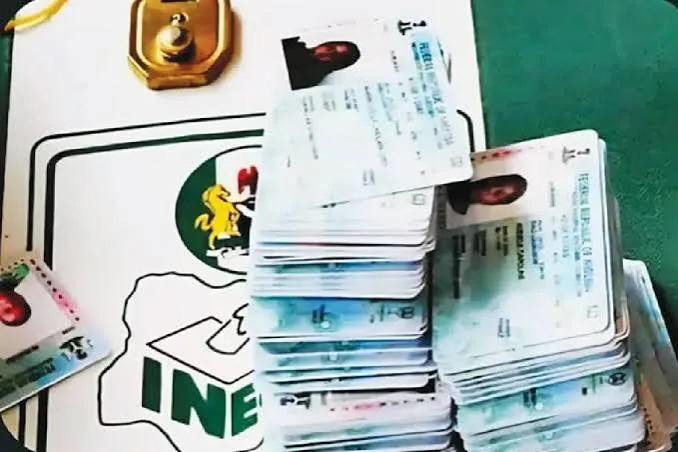
Addressing claims circulating on social media that Nigerians could vote in 2027 without their Permanent Voter Cards (PVCs), Haruna dismissed the reports as false and potentially capable of disenfranchising unsuspecting voters.

He clarified that Section 47(1) of the Electoral Act 2026 requires voters to present valid PVCs for accreditation at their registered polling units.
According to him, the Bimodal Voter Accreditation System (BVAS) verifies a voter’s card and biometric information but does not replace the PVC.
He warned that anyone who believed the misinformation might fail to collect their voter card or arrive at the polling unit without it, only to be denied accreditation.
Haruna therefore urged eligible voters to collect their PVCs without delay and seek clarification from INEC whenever they encountered conflicting information about the electoral process.
He also called on journalists, media organisations and social media analysts to help combat misinformation, deepfakes, cloned voices and AI-generated false content, stressing that the circulation of such material could attract sanctions under the Cybercrime Act.
Recalling misinformation circulated during the Osun governorship election, he said INEC had been forced to spend valuable time responding to false claims, despite independent observers confirming that the declared results were consistent with polling unit tallies.
He encouraged Nigerians to verify electoral information through the commission’s Citizens Contact Centre on 0700-2255-4632 or short code 4632, its official website and verified social media platforms.
Haruna further urged media stakeholders to sustain voter education, investigate vote buying and avoid providing platforms for threats, incitement and disinformation.
As part of preparations for the 2027 elections, he announced that INEC would conduct a nationwide mock accreditation and voting exercise on November 28 across two polling units in every Registration Area in all 36 states and the Federal Capital Territory.
Also read:Belgium braces for major flight disruptions as strike looms
The exercise, scheduled to run from 8:30 a.m. to 2:30 p.m., is expected to test BVAS functionality and the uploading of results to the IReV portal ahead of the January 16, 2027, presidential and National Assembly elections.

Mariam Balogun is a contributor to Freelanews.com, covering news, business, and public affairs.