
AOT Lagos 7.0 showcases AI, smart infrastructure, and sustainability, positioning Lagos as Africa’s leading hub for technology and innovation.
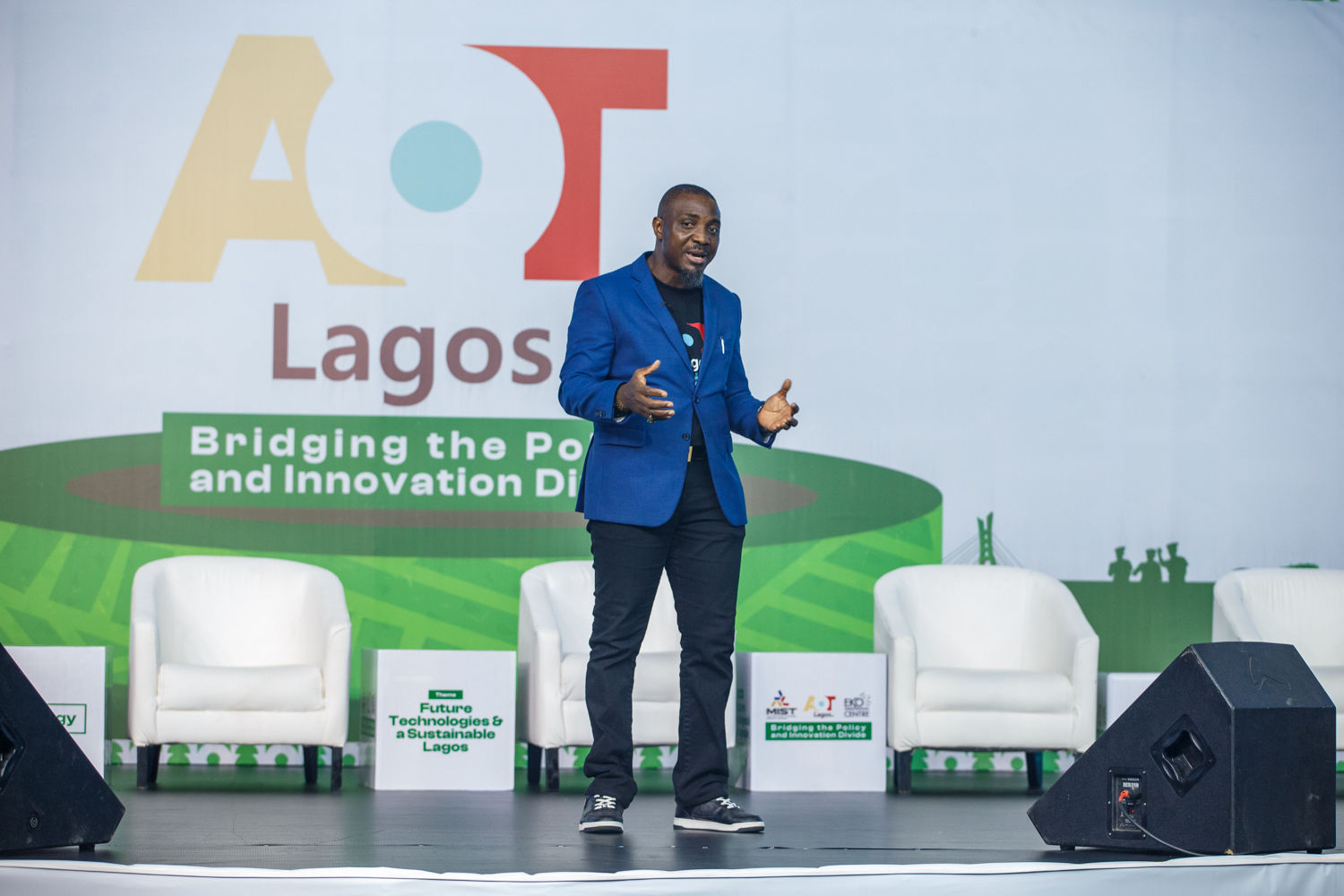
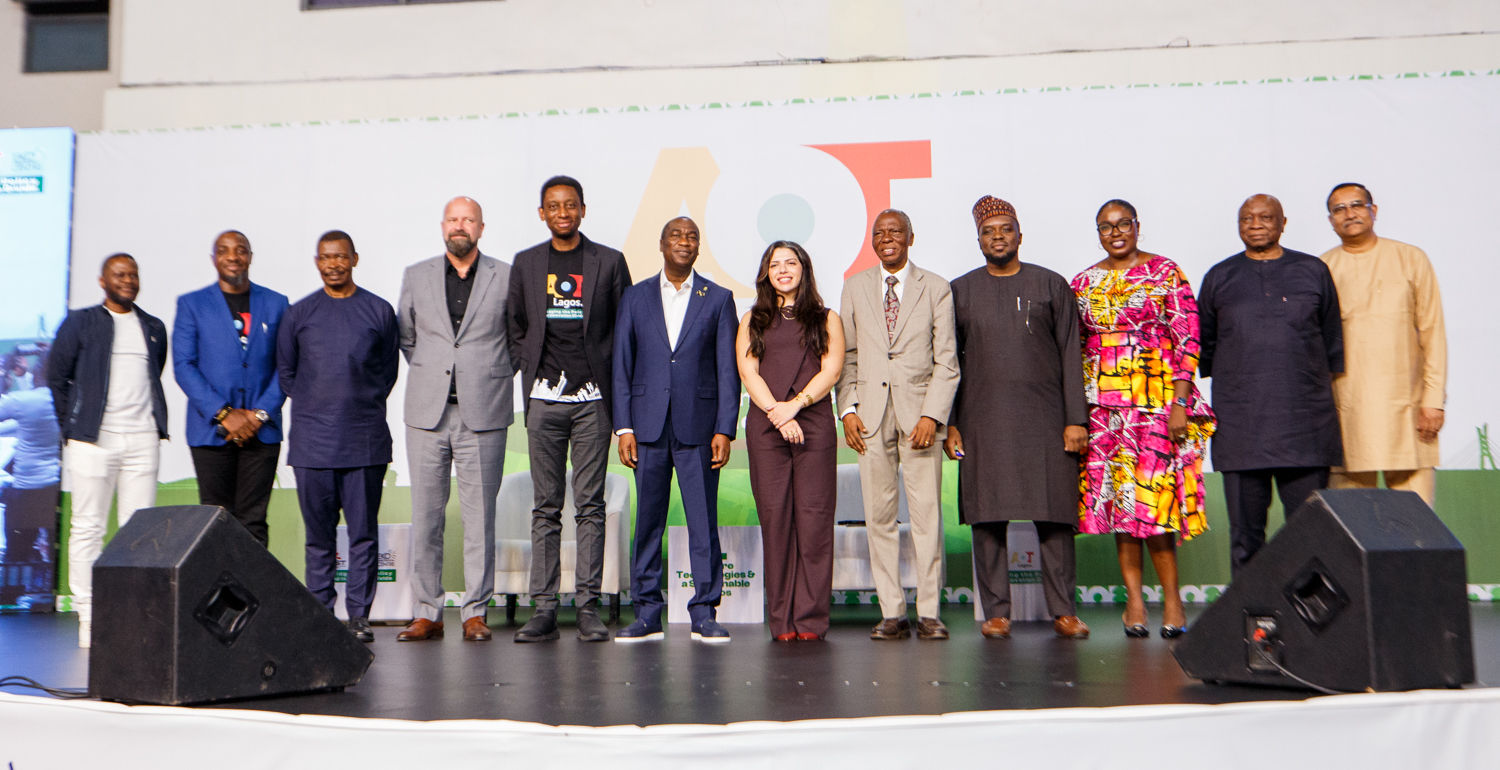
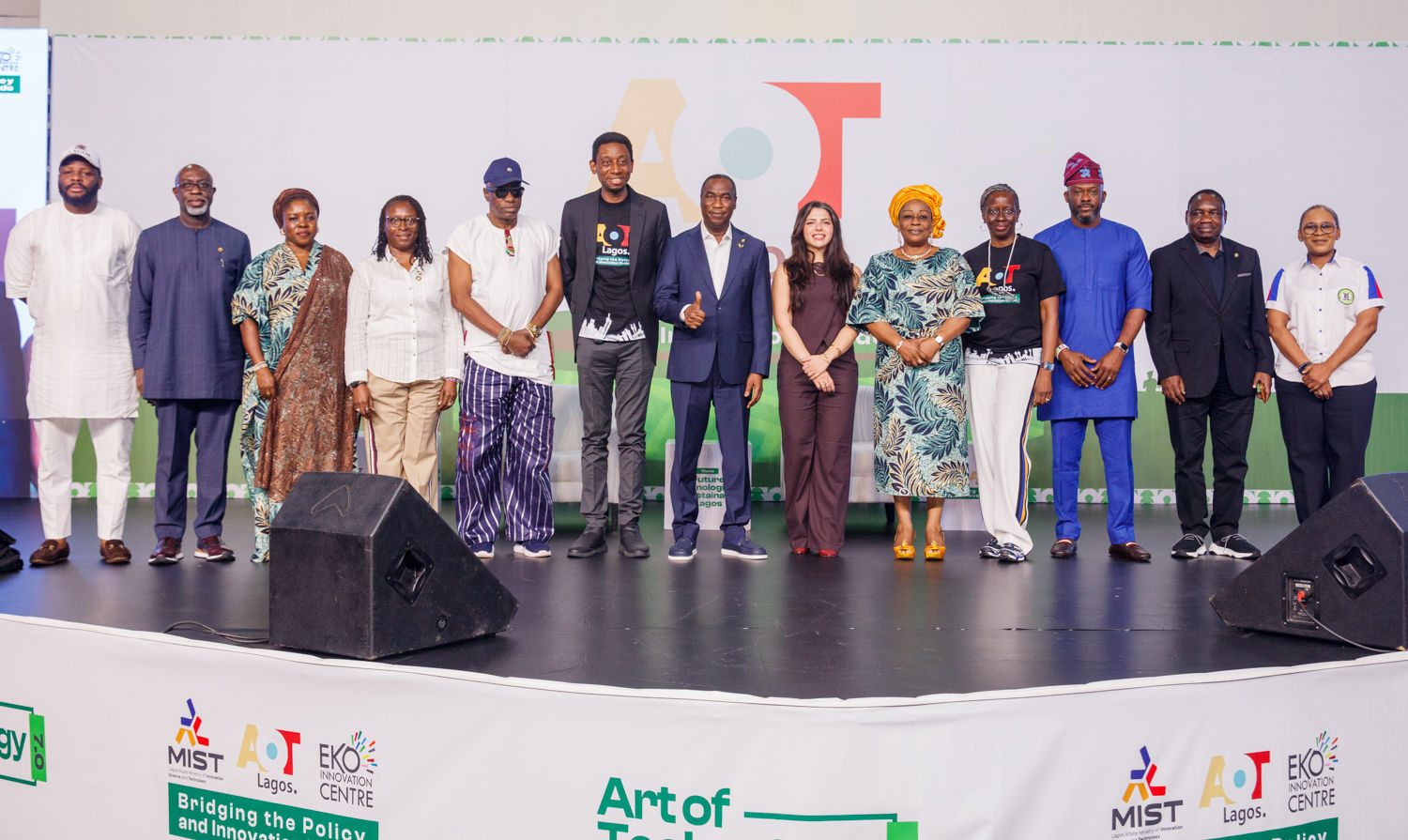
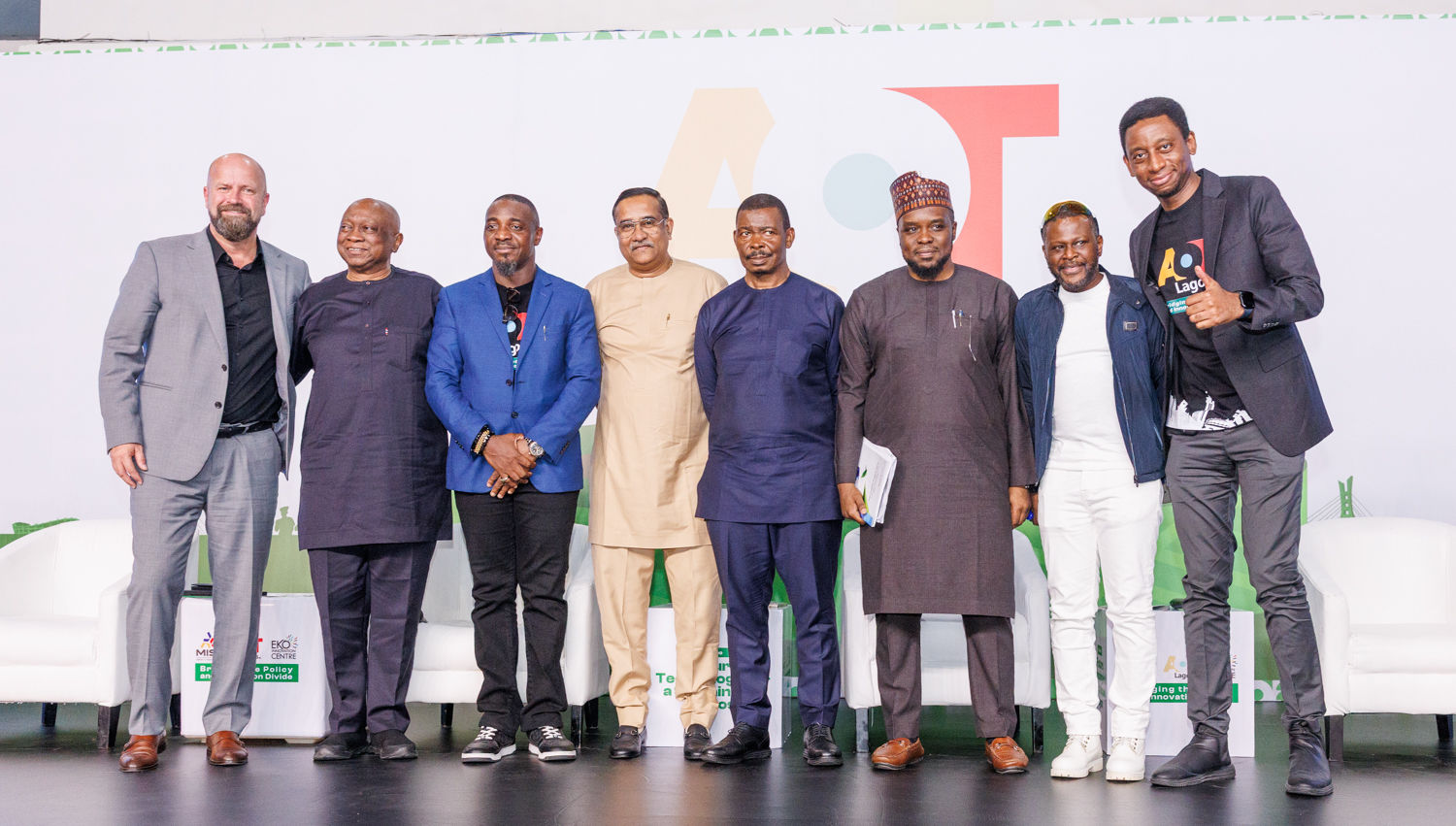
The seventh edition of the Art of Technology Lagos (AOT Lagos 7.0) convened policymakers, investors, founders, and innovators at the Landmark Event Centre, Lagos, on Thursday to explore emerging technologies shaping the city’s transformation into Africa’s foremost technology hub.
Also read: AOT Lagos 7.0 to ignite bold vision for sustainable tech
With the theme “Future Technologies & a Sustainable Lagos,” the conference focused on artificial intelligence, smart infrastructure, climate innovation, digital transformation, and economic inclusion.
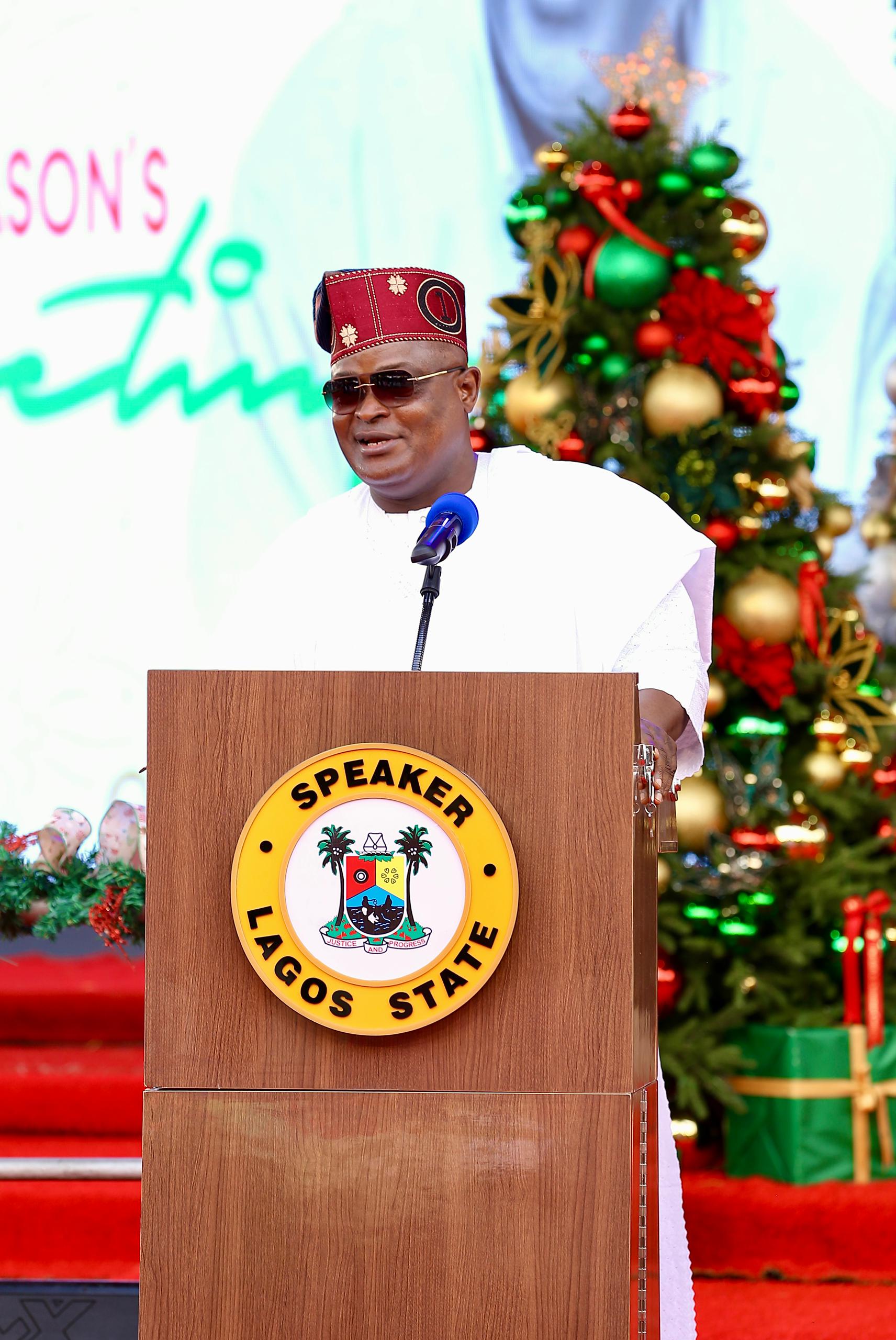
Delivering the keynote address, Lagos State Deputy Governor, Dr. Obafemi Hamzat, highlighted the state’s investments in digital infrastructure, including the deployment of over 2,500 kilometres of fibre-optic cables in the past five years.
He disclosed that nearly ₦2 billion has been channelled into startups and research initiatives through the Lagos State Science Research and Innovation Council (LASRIC), benefiting more than one million residents.
“Lagos is your laboratory, your testbed, and your launchpad into Africa and the world,” Dr. Hamzat said, underscoring the government’s commitment to smart city projects, including the Intelligent Transport System, Safe City Surveillance Network, and digital government platforms.
He also announced that the forthcoming Lagos Innovation Bill will strengthen intellectual property protection, expand access to funding, and deepen collaboration between government, academia, and the private sector.
Commissioner for Innovation, Science and Technology, Mr. Olatunbosun Alake, noted that Lagos hosts over 80 percent of Nigeria’s active startups, attracting more than $6 billion in investment between 2019 and 2024, with the city’s tech ecosystem currently valued at $15.3 billion.
He introduced the Lagos Innovation Deal, a strategic framework aimed at formalising innovation development, fostering university–industry collaboration, and accelerating local tech commercialisation.
Founder of the Eko Innovation Centre, Dr. Victor Gbenga Afolabi, emphasised the urgency for cities to embrace future technologies amid urbanisation and climate change, noting that cities generate nearly 80 percent of global GDP and 75 percent of carbon emissions.
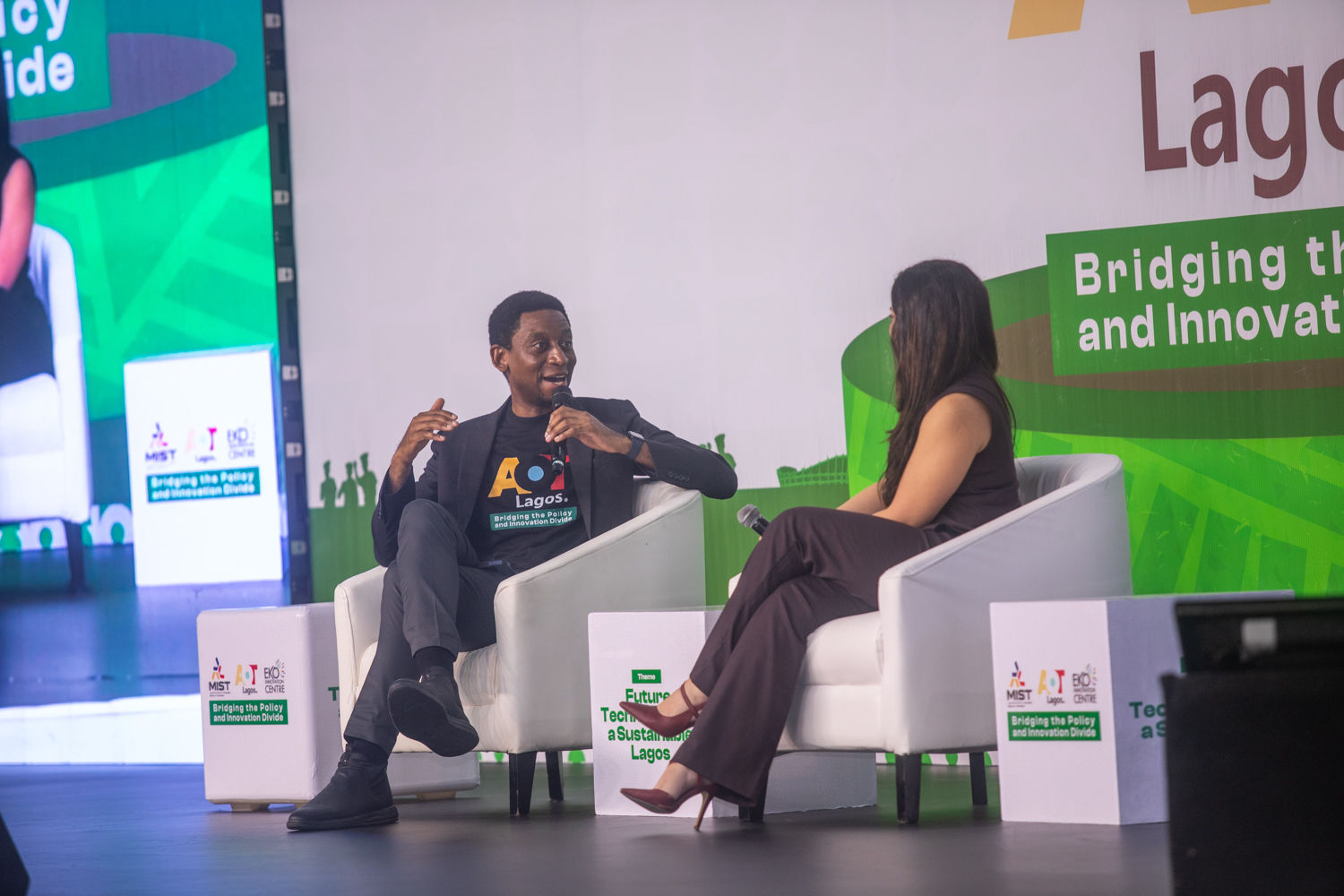
The conference featured keynote addresses, panel sessions, exhibitions, and networking engagements, with discussions spanning AI, clean energy, smart mobility, cybersecurity, digital public infrastructure, and entrepreneurship.
Global and regional thought leaders in attendance included Sara Sabry, CEO of Deep Space Initiative; Dr. Abba Aliyu, Managing Director of the Rural Electrification Agency; Seyi Akindeinde, Founder of Hyperspace Technologies Ltd; and Lars Christer Johannisson, CEO of Rack Centre, among others.
The 4th Edition of the Tech Ecosystem Awards, held as part of the conference, celebrated innovation and excellence across Nigeria’s technology landscape.
Winners included Ada Nduka Oyom (Women in Tech Award), Odunayo Eweniyi (Technology Personality of the Year), Maxdrive.ai (Sustainable Mobility Award), Chowdeck (Startup of the Year), BudgIT (Social Innovation Award), and CDIAL AI (AI & Robotics Excellence Award).
Also read: AOT 5.0: Gov. Sanwo-Olu, Tijani, others debate policies for Lagos creative economy
AOT Lagos 7.0 reaffirmed Lagos’ position as Africa’s leading innovation hub, where policy, capital, technology, and talent converge to drive a sustainable digital economy.