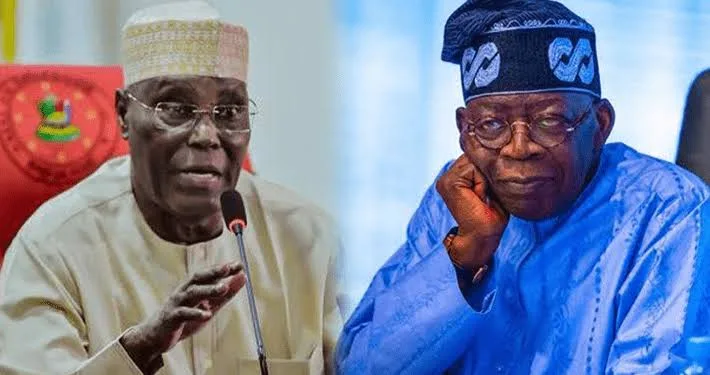

Former Vice President Atiku Abubakar has accused the President Bola Tinubu-led administration of undermining Nigeria’s rice industry through policies he said favour importation over local production.
Atiku, in a statement issued on Friday by his Director of Strategic Communication, Phrank Shaibu, demanded clarification over an alleged concession granted to Ocean Glory Commodities Limited to import 150,000 metric tonnes of husked brown rice under preferential tariff arrangements.
According to Atiku, documents dated August 27 and September 9, 2026, purportedly issued by the Federal Ministry of Finance and the Nigeria Customs Service, indicated that the company was authorised to import the rice at 10 per cent duty, zero levy and exemption from Value Added Tax for one year.
He called on the Federal Government to authenticate the documents, publish the conditions attached to the approval and disclose the quantity of rice, if any, already imported under the arrangement.
The former vice-president questioned the rationale for granting such concessions to an importer while local farmers and rice mill operators were reportedly grappling with rising production costs and shortages of locally produced paddy.

Atiku also challenged the All Progressives Congress (APC) to provide details of the reported ₦450bn intervention for rice farmers, comprising ₦250bn for smallholder farmers and ₦200bn for a guaranteed minimum price programme.
He demanded transparency over the actual disbursement of the funds, the beneficiaries, the produce purchased and the prices paid, arguing that financial announcements without verifiable details were insufficient to demonstrate the impact of government interventions.
The former vice-president’s criticism followed reports that more than 90 of Nigeria’s 260 integrated rice mills had shut down amid shortages of locally produced paddy, rising operating costs and competition from cheaper imported rice.
He said the situation was affecting farmers, mill workers and investors, warning that the reported closures could further weaken domestic production and discourage investment in the rice value chain.
Atiku also identified insecurity in farming communities, high fertiliser prices and rising diesel costs as major challenges confronting rice producers, particularly in Kano, Kebbi and Katsina states.
He argued that farmers were facing mounting production expenses while competing with imported rice, a situation he said could threaten the viability of local agriculture.

The former vice-president maintained that the government could not publicly champion domestic agricultural production while allegedly implementing policies that exposed local farmers to competition from imports under favourable conditions.
Atiku said his Affordable Life campaign was focused on ensuring food affordability while making agriculture a sustainable source of livelihood for Nigerians.
He urged the Federal Government to publish verifiable details of the reported ₦450bn intervention and explain the circumstances surrounding the alleged rice import concession.
The former vice-president said farmers, mill operators and other stakeholders in the rice industry deserved clarity on policies affecting domestic production, investment and the future of Nigeria’s food security.

AbdulBasit Saba is a journalist and contributor to Freelanews.com, covering news, business, and public affairs.