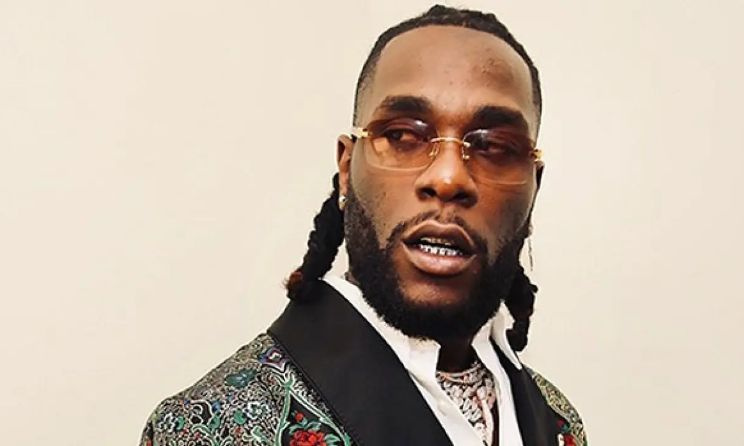

Burna Boy reveals reconciliation with late South African rapper AKA, sharing private resolution before the artist’s tragic death
Grammy-winning Nigerian singer Damini Ogulu, popularly known as Burna Boy, revealed that he had reconciled with late South African rapper Kiernan Forbes, professionally known as AKA, before the artist’s tragic death.
Also read: Game Changer 2.0
The disclosure was made in a heartfelt post on Burna Boy’s Instagram page, marking the rapper’s posthumous birthday.
The long-running feud between Burna Boy and AKA began in 2019 following tensions after the Africa Cup of Nations quarter-final between Nigeria and South Africa.
The dispute escalated when AKA shared screenshots of alleged hate messages from Nigerian social media accounts, which were widely criticised as xenophobic.
In the Instagram post, Burna Boy described the reconciliation as private and expressed deep regret that they never had the opportunity to meet in person or collaborate musically.
“Happy birthday Supa Mega. We fell out over bullsht even though we squashed it over Twitter DMs nobody knew about. We never got the chance to really link up and do what we were supposed to do. I will regret that until I see you again. Until then, R.I.P Mega,” he wrote.
The revelation has struck a chord with fans across Africa, highlighting both the challenges and enduring humanity of personal relationships in the music industry.
Burna Boy’s admission underscores a wider conversation about reconciliation and lost opportunities among prominent artists.
AKA was fatally shot in February 2023 outside a Durban restaurant, an incident that shocked the African music industry and prompted widespread tributes from fans and fellow musicians.

Burna Boy’s post offers a glimpse into a private resolution that remained unknown until now, demonstrating the emotional depth behind public feuds.
Also read: Nigeria records strong N55.5tn oil revenue in 2025 despite output shortfalls
The story serves as a reminder of the personal connections behind professional rivalries and the enduring impact of reconciliation, even after tragedy.