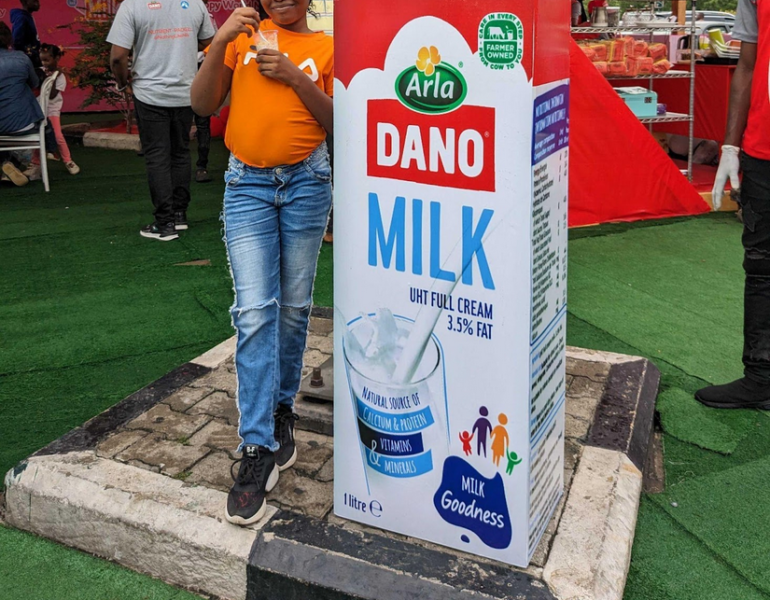



Arla Foods faces scrutiny over Bovaer, a methane-reducing additive linked to male infertility and other health concerns
[dropcap]A[/dropcap]rla Foods, the dairy giant behind Dano Milk and brands such as Lurpak and Castello, is facing severe criticism over its trial of Bovaer, a methane-reducing feed additive for cattle.
Also read: Arla inaugurates dairy farm in Kaduna
Concerns have been raised about the potential side effects of Bovaer on humans, including claims that it may affect male fertility and carry other health risks.
Bovaer, developed with backing from Bill Gates, is intended to reduce methane emissions from cattle by altering their digestion process.
However, critics have cited its potential genotoxicity—DNA damage that could lead to cancers and birth defects—as a significant concern. https://efsa.onlinelibrary.wiley.com/doi/10.2903/j.efsa.2021.6905
Regulatory reviews, including those by the FDA and EFSA, highlight uncertainties around its long-term effects, especially if it enters the food chain.
Opponents claim that Bovaer poses risks to humans, including male infertility, eye and skin irritation, and linked to breathing difficulties
Although there are no reported side effects on cows, concerns have emerged over whether dairy products, such as milk, butter, and cheese, could carry traces of the additive.
Questions have also been raised about the safety of manure from treated cattle, which may affect crops when used as fertiliser.
Social media users have reacted strongly to the news, with calls for boycotts of Arla Foods.
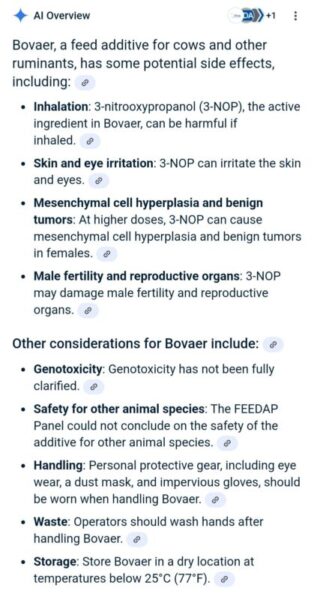
Some have accused Bovaer’s backers, including Bill Gates, of prioritising depopulation and environmental goals over human health.
“Are Nigerians also exposed to these risks?” asked one user, urging the Ministry of Health to investigate Arla’s practices within the country.
Arla, known for its international reach and sustainability efforts, operates in several nations, including Nigeria, where Dano Milk is a staple.
Arla Foods has positioned itself as a leader in sustainable dairy farming.
The company claims its trials aim to balance environmental sustainability with consumer safety.
However, the growing backlash suggests that many remain unconvinced, with critics questioning the lack of transparency about the additive’s long-term impact.
Also read: Sachet and PET bottles ban: Implications for environment, unemployment
As concerns grow, the public is urged to make informed choices regarding their dairy consumption as advocates for stricter food safety regulations have also called on governments to ensure consumer health is not compromised in the pursuit of sustainability.


Ojelabi, the publisher of Freelanews, is an award winning and professionally trained mass communicator, who writes ruthlessly about pop culture, religion, politics and entertainment.