Nigerian High Commission Igbo King Controversy sparks unrest in South Africa, prompting apology and clarification over misunderstood cultural event
The Nigerian High Commission has issued a formal apology following the Nigerian High Commission Igbo King Controversy, after outrage erupted over the alleged coronation of an “Igbo king” in the province.
Also read: Nigeria launches satellite push to boost security intelligence
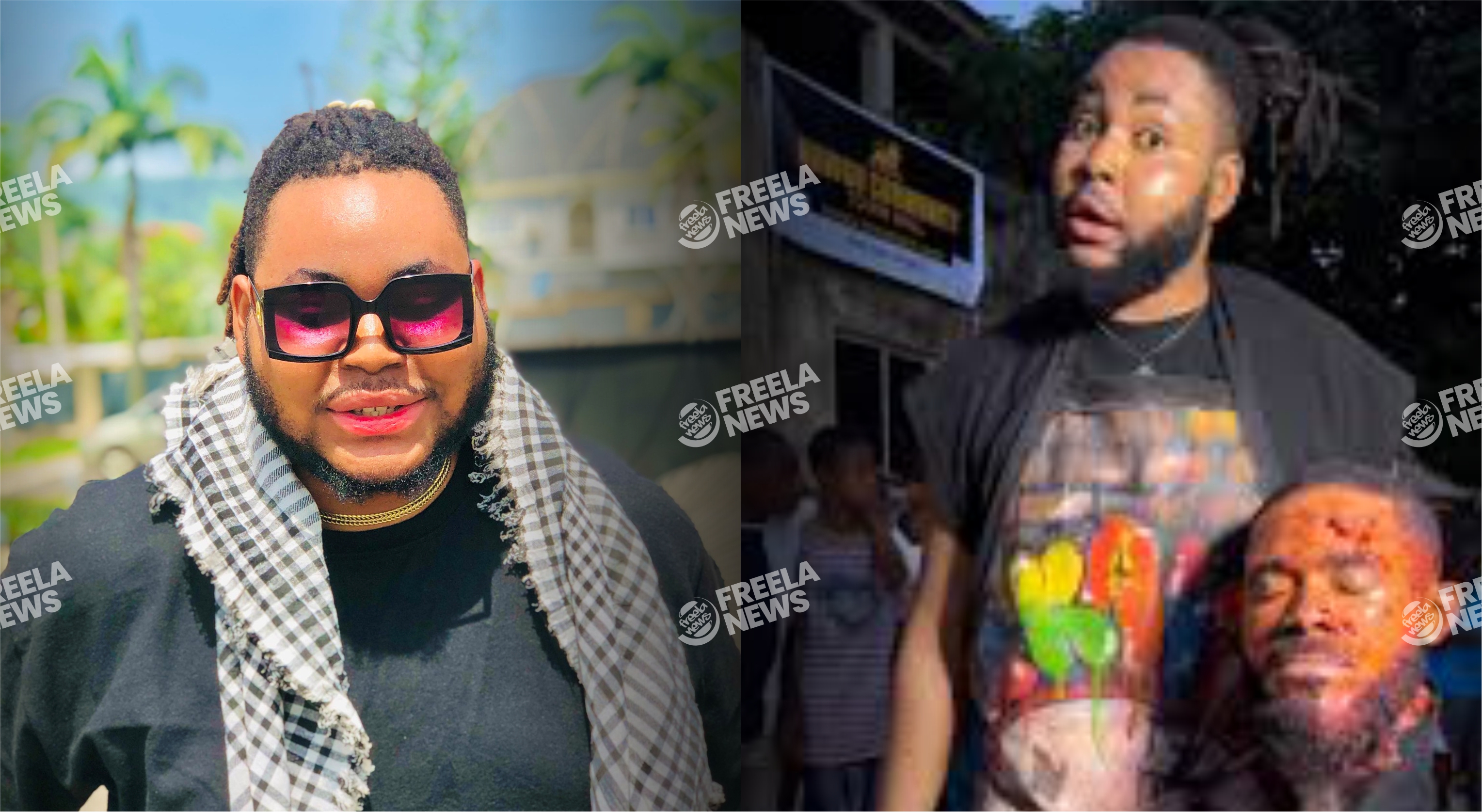
The diplomatic mission responded after reports emerged that Solomon Eziko had been crowned “Igwe” of Kugompo in South London, a town in the Eastern Cape.
The development sparked anger among sections of the local population, triggering protests that turned violent on Monday.
Demonstrators reportedly torched vehicles and buildings linked to foreign nationals, while crowds marched through parts of the province demanding urgent government intervention.

Some protesters warned that failure to act could lead to further unrest, with a few issuing stark threats of armed resistance.
In a statement, the Nigerian High Commission clarified that the gathering in question was a cultural festival rather than a political coronation.
Officials stressed that Igbo traditional expressions are often misunderstood outside Nigeria and are largely symbolic in nature.
The mission referenced heritage practices such as the New Yam Festival, masquerade displays known as Mmanwu, traditional marriage rites, and chieftaincy title ceremonies as examples of cultural events that do not confer political authority.
Speaking to protesters, Olajide Ogunmadeji, Deputy High Commissioner, offered a direct apology and sought to ease tensions.
Olajide Ogunmadeji emphasised that the event did not undermine South Africa’s traditional institutions or governance structures.
“They are just there to celebrate their cultural activity. It is not a political institution or a traditional institution,” Olajide Ogunmadeji said, adding that the embassy would never support actions that challenge local authority.
The apology came amid heightened concern for the safety of Nigerians in the region.
Earlier, the Nigerian High Commission had issued an advisory urging citizens to remain vigilant, restrict movement, and suspend socio-cultural gatherings.

Officials also cautioned against inflammatory remarks on social or mainstream media, warning that such statements could further escalate an already volatile situation.
Also read: Nigeria gas output rises strongly under new push
The incident has underscored the fragile balance between cultural expression and local sensitivities, as authorities work to restore calm in the Eastern Cape.