
Prince Arthur Eze offshore licence revoked as Senegal tightens energy regulation and reclaims an underdeveloped exploration block
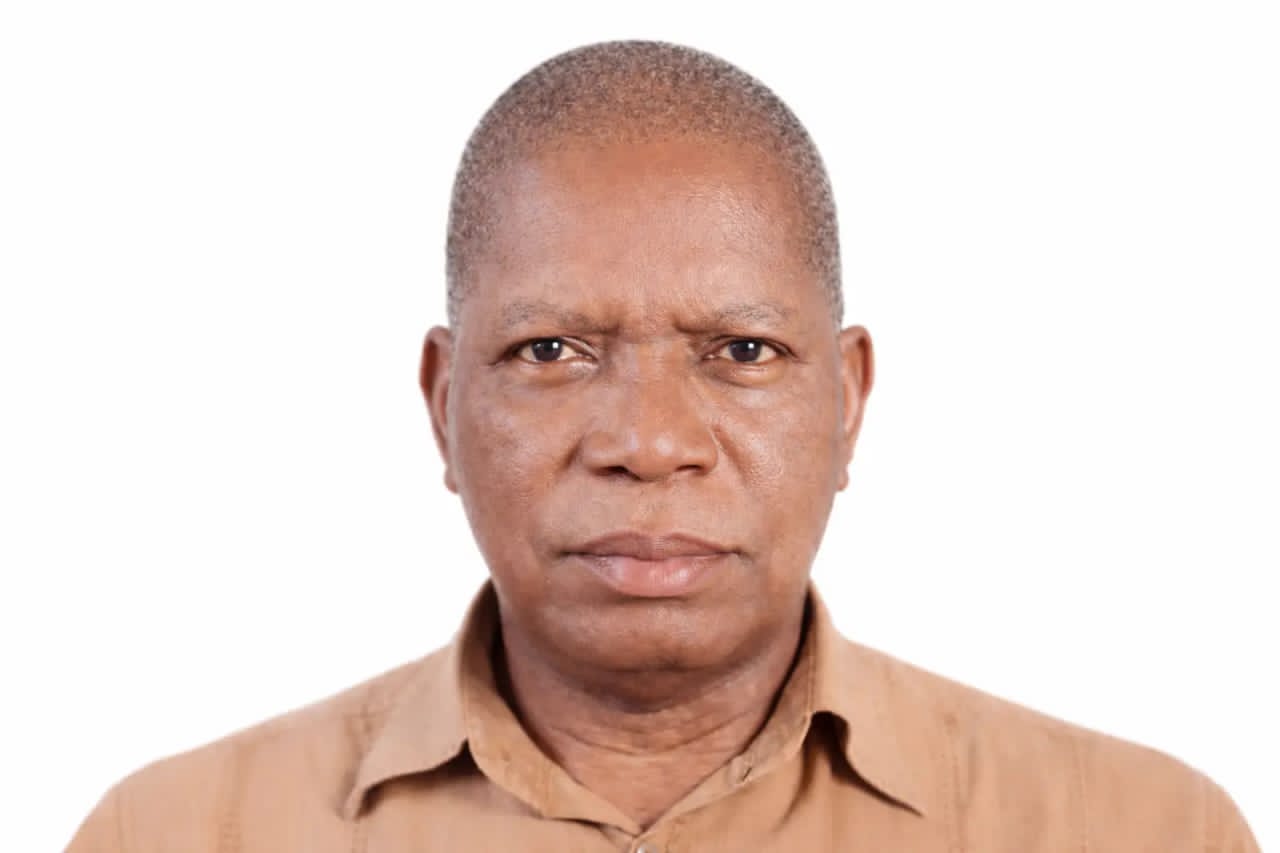
The Government of Senegal has revoked an offshore exploration licence held by Prince Arthur Eze, the Nigerian oil magnate and owner of Atlas Oranto Petroleum, over unmet financial and operational obligations.
Also read: Fusengbuwa submits candidates, Awujale race nears end
The Ministry of Energy and Petroleum, under the supervision of Minister Birame Souleye Diop, formally withdrew the Cayar Offshore Shallow licence in September 2025 after determining that the operator failed to provide mandatory bank guarantees and carried out only minimal exploration work since the block was awarded in 2008.
The offshore block, covering about 3,600 square kilometres north of the Dakar peninsula, is regarded by industry analysts as oil-prone but significantly underexplored.
Seismic surveys identified several leads, yet no exploration wells were drilled throughout the licence period.
Officials said multiple extensions granted to the licence holder did not translate into meaningful activity, prompting the state to reclaim the acreage in line with its regulatory framework.
Industry accounts referenced in early 2026 confirmed that the block recorded negligible seismic and drilling work, reinforcing the government’s decision to act.

The Prince Arthur Eze offshore licence revocation aligns with President Bassirou Diomaye Faye’s policy drive to strengthen compliance in Senegal’s energy sector and fast-track the monetisation of hydrocarbon resources.
By reclaiming the block, Senegal joins a growing list of African producers reassessing legacy oil and gas licences issued during earlier exploration phases, amid rising pressure to ensure that petroleum rights deliver concrete investment and production.
The decision has also renewed scrutiny of Atlas Oranto Petroleum’s regional footprint.

In Liberia, the company signed four offshore production-sharing contracts in September 2025, covering Blocks LB-15, LB-16, LB-22 and LB-24 in the Liberian Basin.
Liberian authorities described the agreements as an effort to revive a long-dormant petroleum sector, with reported signature bonuses ranging between $12 million and $15 million and proposed investments exceeding $200 million per block.
However, civil society groups and lawmakers in Liberia questioned the transparency of the deals, the company’s financial capacity and potential environmental risks.
Critics also raised concerns over instalment-based signature bonus payments, warning that such structures weaken enforcement and slow early-stage exploration.
Also read: Wale Tinubu champions Africa Energy Agenda at Davos 2026
Senegalese officials said the revocation sends a strong signal that compliance and execution, not speculative licence holding, will define participation in the country’s energy sector going forward.