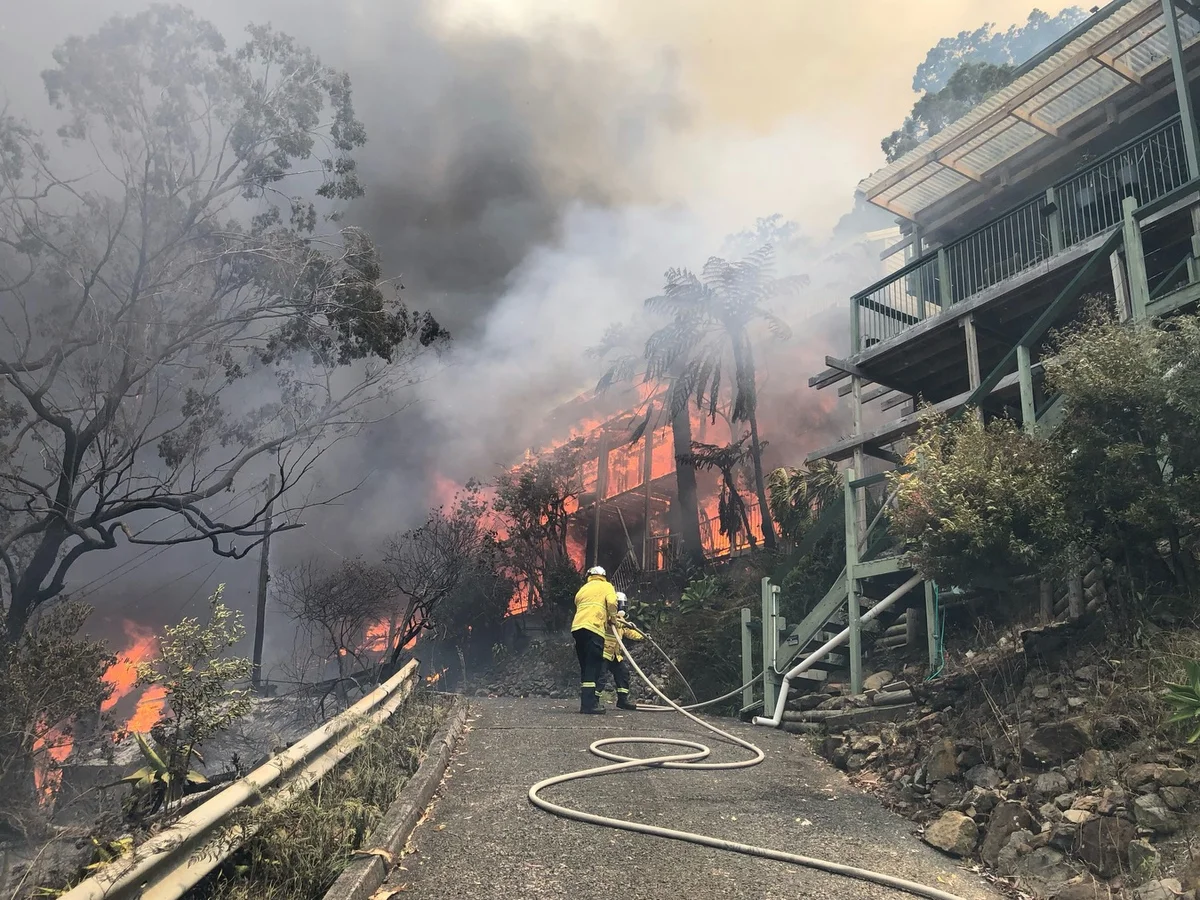

Wildfires sweeping through Australia’s Flinders Island have destroyed or damaged homes, displaced wildlife and forced road closures after flames spread across more than 10 per cent of the island.
Emergency services confirmed the scale of the destruction on Thursday, as firefighters continued efforts to contain the blazes in the northern part of the island, located off Tasmania’s north-eastern coast.
Also read:Namadi assures Jigawa voters as 850 opposition members defect
Residents have been advised to remain sheltered as fire fronts, with flames reaching approximately 10 metres, threaten parts of the community.
Steve Richardson, Northern Deputy Regional Chief of the Tasmania Fire Service, said dangerous weather conditions had prevented firefighters from approaching the fires on foot in recent days.
However, he said improving conditions on Thursday would allow emergency crews to move closer and establish containment lines to restrict the spread.
Richardson disclosed that six structures had been damaged or destroyed by the fires.

Six helicopters had also been deployed to support firefighting operations.
Although the blaze was not considered the largest recorded on the island, he described it as one of the more significant fires experienced in the area.
Images and footage released by Australia’s national broadcaster, ABC, and the fire service showed thick smoke rising above large sections of the island.
The fires have also affected local wildlife, with animals reportedly fleeing the burning areas.
A resident, Alan Wheatley, told ABC that he had seen possums on the roads as they attempted to escape the flames.

He said the island had experienced major fires in previous years, but they had generally been brought under control.
The current blaze, however, appeared to be spreading more rapidly.
Another resident, Jamie Brousard, described the situation as deeply distressing, expressing sympathy for people who had lost their properties.
The latest incident adds to Australia’s long history of destructive bushfires.
The 2019–2020 Black Summer fires, among the country’s most devastating, burned millions of hectares, destroyed thousands of homes and covered cities in hazardous smoke.
Scientists have warned that human-driven climate change has made the extreme conditions associated with such fires twice as likely compared with the pre-industrial climate.
Also read:Namadi assures Jigawa voters as 850 opposition members defect
Authorities have also cautioned that the El Niño weather phenomenon projected for this year could intensify the coming fire season, potentially increasing the risk of severe wildfires.

Peculiar Adirika is a journalist and contributor to Freelanews.com, covering news, business, and public affairs.