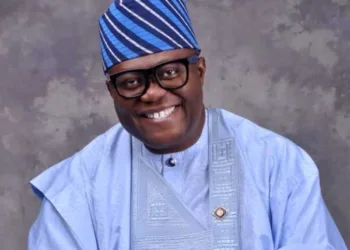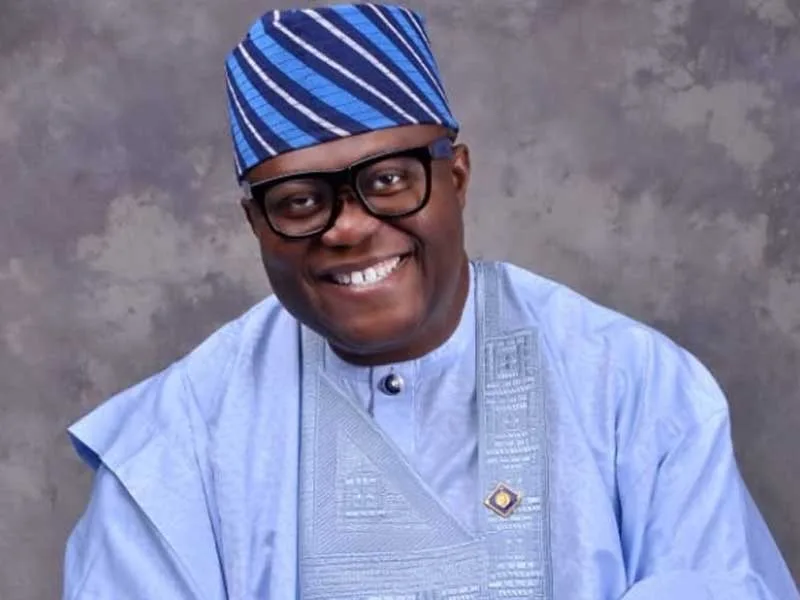

Ehi Braimah, publisher and editor-in-chief of Niger Times, has warned that rising political violence, inflammatory rhetoric and the desperation to win elections could threaten Nigeria’s 2027 electoral process.
Braimah raised the concern during an appearance on Channels Television’s Sunrise Daily on Wednesday, November 18, 2026, where he called on politicians and political parties to prioritise peaceful campaigns and issue-based discussions ahead of the elections.
Also read: Lagos police warn of life sentence for child rape
He said the growing tension surrounding political activities was troubling, warning that the country could face serious consequences if political actors continued to encourage or tolerate violence.
“I’m worried about the direction we are going,” he said, adding that Nigeria needed to remain stable before anyone could aspire to hold public office.
According to him, political campaigns should provide an opportunity for candidates to persuade voters, explain their records and present policies that could improve people’s lives.
However, he lamented that the political atmosphere was increasingly characterised by displays of power, intimidation and violence rather than meaningful discussions about governance.

Braimah stressed that Nigerians were more interested in practical solutions to their challenges, including better education, improved living conditions and policies that would address the country’s economic difficulties.
During the discussion, figures from an Afrobarometer survey on public expectations ahead of the 2027 elections were cited.
The figures indicated that 92 per cent of Nigerians would vote for a presidential candidate whose policies they agreed with, while 89 per cent considered vote-buying likely and 79 per cent expected political violence.
Only 37 per cent of respondents reportedly expected the elections to be largely free and fair.
Reacting to the broader concerns surrounding the electoral process, Braimah said the findings reinforced the need for political leaders to rebuild public confidence and reassure voters that they could participate without fear.
He warned that sustained political intolerance and violence could discourage Nigerians from attending campaign events and eventually contribute to voter apathy.
On the role of institutions in addressing the situation, Braimah called on the Independent National Electoral Commission (INEC) to work closely with security agencies and political parties to enforce the Electoral Act 2026.
He also argued that the peace accord signed by political parties needed stronger enforcement mechanisms, noting that commitments to peaceful campaigns would have little effect if political actors faced no consequences for violating them.
“Political parties must stop rewarding violent political behaviour with appointments,” he said.
Braimah further urged security agencies, including the police and the Department of State Services (DSS), to take inflammatory statements by politicians seriously and ensure that individuals who incited violence were held accountable under the law.
He identified civil society organisations and the media as important parts of the response, urging them to monitor political activities, document incidents of violence and make relevant reports available to the public.
He also called on political candidates to demonstrate genuine commitment to peaceful campaigns, warning against the use of threats and intimidation to influence political participation.
Addressing the growing competition among political parties, Braimah acknowledged the ruling All Progressives Congress (APC)’s stronger political organisation, while noting that the country’s political space should not be treated as though opposition parties did not exist.
He said the pressure on governors to demonstrate electoral strength in their respective states could be contributing to the desperation surrounding political contests.

Braimah maintained that the responsibility for reducing political tension rested not only with the government and security institutions but also with political parties and individual candidates.
Also read: Lagos police warn of life sentence for child rape
He warned that Nigeria’s democratic process could be put at risk if political leaders failed to place national stability above their ambitions.