


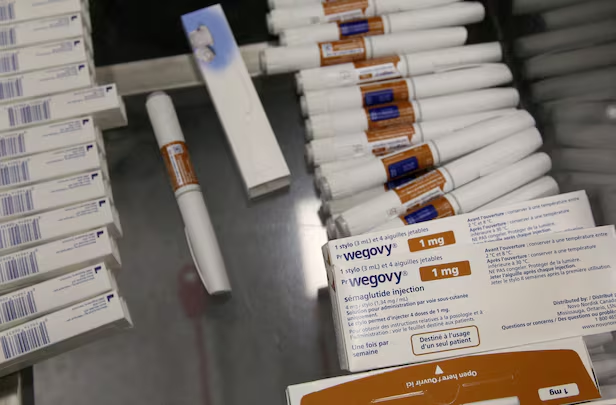

Pharmaceutical giants Novo Nordisk and Eli Lilly are facing dozens of lawsuits in the United States after patients alleged that the blockbuster GLP-1 drugs Ozempic, Wegovy and Zepbound caused a rare form of sudden vision loss.
The legal actions claim the companies failed to adequately warn patients and healthcare providers about the risk of nonarteritic anterior ischemic optic neuropathy (NAION), a condition that reduces blood flow to the optic nerve and can result in sudden, often irreversible blindness.
According to court filings, plaintiffs say they developed severe vision impairment after using the medications for diabetes or weight management and argue that stronger safety warnings should have accompanied the drugs. The cases have been filed in both state and federal courts across the United States.
Novo Nordisk, which manufactures Ozempic and Wegovy, and Eli Lilly, the maker of Zepbound, have denied that their medicines have been proven to cause NAION. The companies maintain that available scientific evidence does not establish a causal relationship between the drugs and the eye condition.

Medical researchers say the issue remains under investigation. While some observational studies have suggested a possible increased risk of NAION among users of semaglutide-based medications, experts emphasise that the evidence is not yet conclusive and does not prove the drugs directly cause the condition.

Regulatory authorities in Europe, the United Kingdom, Japan and Australia have already added warnings about the potential risk of NAION to GLP-1 drug labels. However, the US Food and Drug Administration (FDA) is still reviewing the available evidence and has not reached a final determination on whether additional labelling changes are required.

The lawsuits add to growing legal scrutiny surrounding GLP-1 medications, which have become some of the world’s most widely prescribed treatments for obesity and Type 2 diabetes. Analysts estimate the global market for the drugs could exceed $100 billion annually over the next decade as demand continues to rise.
Doctors advise patients not to stop taking prescribed GLP-1 medications without consulting their healthcare provider, stressing that the drugs remain approved for their intended uses while investigations into the alleged vision risk continue.

AbdulBasit Saba is a journalist and contributor to Freelanews.com, covering news, business, and public affairs.


