
Médecins Sans Frontières (MSF) has warned that shortages of essential diphtheria drugs and low vaccination coverage are worsening the disease outbreak in northern Nigeria, putting thousands of children at risk of severe illness and death.
The international medical humanitarian organisation called on the Federal and state governments, donors and global health partners to urgently address shortages of diphtheria antitoxin, vaccines and other essential medicines.
Also read: Experts warn NNPC over costly energy transition risks
MSF Medical Coordinator in Nigeria, Dr David Kizito, raised the concern in a statement made available to journalists in Maiduguri on Monday.
He urged relevant authorities to secure available supplies, ensure their timely clearance at ports of entry and facilitate rapid distribution to communities affected by the outbreak.
Diphtheria is a potentially fatal bacterial infection that spreads mainly through respiratory droplets and contact with infected wounds.
Although it is preventable through vaccination, delayed treatment can lead to serious complications.

Kizito described the global shortage of diphtheria antitoxin (DAT) as a major threat to patient survival, warning that dwindling stocks could leave medical teams unable to provide life-saving treatment.
He said children continued to arrive at health facilities with serious complications because they were either inadequately vaccinated or unable to access treatment early enough.
According to him, diphtheria antitoxin is the only specific treatment capable of neutralising the toxin produced by the disease.
Although the medicine is included in the World Health Organisation’s Model List of Essential Medicines, its availability remains inconsistent globally.
Kizito explained that the drug was most effective when administered within 48 hours of the onset of symptoms.
However, inadequate supplies had repeatedly forced MSF teams to ration treatment, potentially affecting patients’ chances of recovery.
Nigeria has been battling a major diphtheria outbreak since late 2022, with more than 41,000 suspected cases, over 24,000 confirmed infections and more than 1,260 deaths recorded nationwide.
Bauchi, Borno, Kaduna, Katsina, Kano, Plateau, Sokoto and Zamfara are among the northern states particularly affected, with some areas reporting recent increases in infections.
MSF said Nigeria recorded 12,977 suspected cases, 10,476 confirmed infections and 406 deaths in 2026 as of August 9.
The organisation has been supporting state health authorities through patient treatment, disease surveillance, infection prevention and control, community engagement, vaccination support and the provision of medical supplies.
Its teams are treating patients and supporting isolation and treatment facilities in Kano, Sokoto and Zamfara, while providing additional assistance in Bauchi, Katsina and Kebbi states.
Since the beginning of its response this year, MSF said it had treated more than 9,000 diphtheria patients through facility-based and community-based care, while expanding emergency interventions in high-risk areas.
In collaboration with the Kano State Ministry of Health, the organisation supported a two-round vaccination campaign in April and June, during which more than 835,000 doses were administered to children.
In Zamfara, following the state’s declaration of an outbreak in September, MSF-supported facilities in Gusau recorded more than 671 admissions within a month, beginning October 6.
The organisation said most of the patients were children, while four out of every five admitted had not received diphtheria vaccination.
In Sokoto State, MSF also supported two rounds of vaccination between February and April, reaching 49,018 children below the age of 15.
However, the organisation expressed concern over inadequate vaccine supplies in Zamfara, where only 25,000 of the 90,000 doses required for a reactive vaccination campaign had been provided.
It said the shortfall had left a significant number of children unreached and that it was working with government health authorities to secure additional doses for a wider vaccination exercise.
MSF stressed that routine immunisation remained essential to preventing further infections, but vaccination coverage in northern Nigeria, particularly in rural communities, was still low.
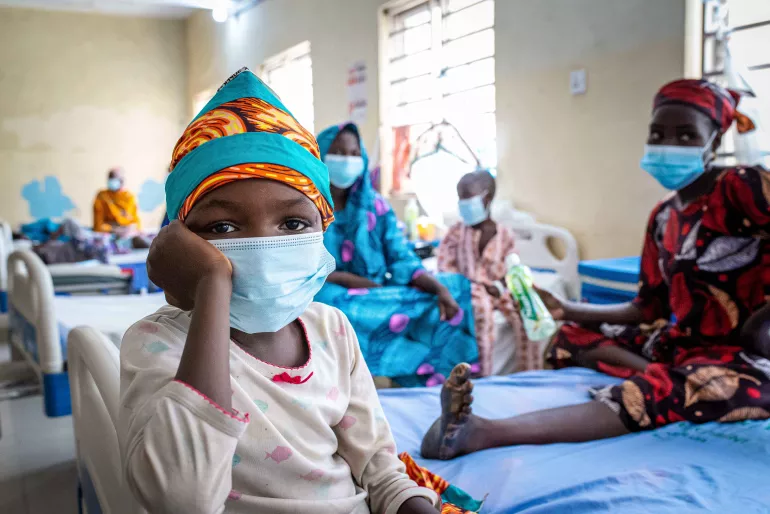
The organisation also shared the experience of a mother, Shafa’atu, whose three children received treatment for diphtheria at an MSF-supported hospital in Sokoto.

She said the family became frightened when their first child fell ill because they knew little about the disease.
According to her, the child struggled to eat and repeatedly vomited after meals.
MSF called for sustained investment in routine immunisation to strengthen community protection and prevent future outbreaks.
Also read: Experts warn NNPC over costly energy transition risks
It also urged pharmaceutical manufacturers and international health partners to increase diphtheria antitoxin production and establish reliable supply chains to meet urgent treatment needs in Nigeria and other countries experiencing rising infections.

Peculiar Adirika is a journalist and contributor to Freelanews.com, covering news, business, and public affairs.