
Namu solar project ends 20 years without electricity, boosting power, business, and quality of life for over 10,000 residents in Plateau State
After 20 years without electricity, residents of Namu Community in Quan’Pan Local Government Area, Plateau State, can finally celebrate reliable power.
Also read: Standard Chartered WIMBIZ sponsorship champions inclusion
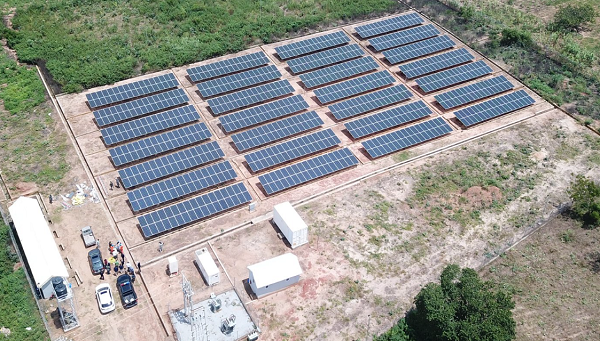
The commissioning of a 50-kilowatt solar mini-grid on Thursday marks a historic milestone, bringing light and new opportunities to a community that had long lived in darkness.
The project, implemented through a partnership between the Global Environment Facility (GEF), United Nations Development Programme (UNDP), the Rural Electrification Agency (REA), Plateau State Energy Corporation, and Cloud Energy, aims to provide sustainable electricity to rural communities across the state.
Governor Caleb Mutfwang described the initiative as a “new chapter” in the development of Namu and other underserved areas.
He reaffirmed his administration’s commitment to improving rural lives through electricity, road construction, and access to clean water.
“Today, Quan’Pan that once sat in darkness has seen the light,” Mutfwang said. “Since we came into office, we’ve been working to break the jinx of underdevelopment in this area. This project is the first step, with roads and water supply to follow.”
The governor also highlighted that six kilometres of Jibam Road are nearing completion, with additional stretches scheduled for completion before the next rainy season.
Community leaders and residents welcomed the initiative. Chairman of Quan’Pan Local Government Area, Hon. Christopher Audu Manchip, described the solar project as the “first-of-its-kind,” lifting residents from “poverty to progress.”
“The people of Namu are deeply grateful to the governor for bringing development back to the grassroots,” Manchip said.
Mr. Dating Dominic, Director-General of the Plateau State ICT Development Agency and Namu resident, highlighted the project’s broader economic benefits.

With active local markets and a rice processing facility, a stable electricity supply will enhance business productivity and support the global shift to renewable energy.

Ambassador Yahaya Kwande and other community leaders echoed similar sentiments, emphasising the project’s potential to improve local living standards and strengthen the region’s economy.
Also read: NMDPRA import duty plan officially suspended
The Namu solar project forms part of Nigeria’s broader rural electrification drive, demonstrating a sustainable approach to energy and reinforcing the importance of renewable power in transforming local communities.