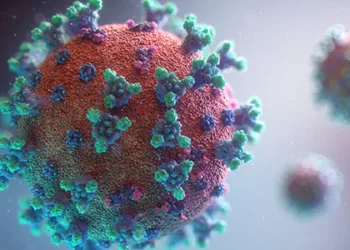


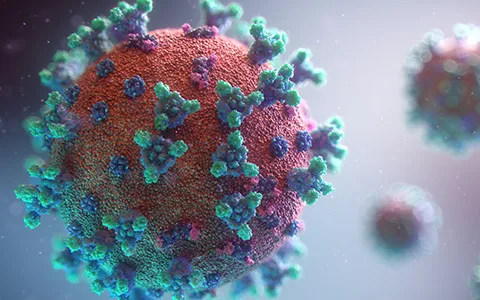

The Academy of Medical Sciences of Nigeria has urged Nigerians to remain vigilant following the emergence of a new COVID-19 variant, PJ.2.1, which has been detected in several countries.
In a public health advisory, the Academy warned that increased movement and social gatherings during the approaching festive season could create opportunities for the virus to spread.
Also read: Abure leads parallel LP NEC meeting in Abuja
It said the World Health Organisation had designated PJ.2.1 a “Variant Under Monitoring”, although current assessments suggest that the strain poses a low additional risk to global public health.
The advisory was signed by the Chairman of the Academy’s Rapid Response Committee, Prof. Boaz Adegboro, and its President, Prof. Joseph Ahaneku.
According to the Academy, the variant was first identified in Ontario, Canada, on May 2, 2026.
It has subsequently been reported in the United States, Canada, Spain, France, the Netherlands, Israel, Singapore, Brazil, Argentina, Australia and New Zealand.
The WHO had recorded sequences from 18 countries as of November 8, 2026.
However, the Academy said available scientific evidence remained limited, making continued monitoring necessary to determine the variant’s characteristics and possible public health implications.
Preliminary research suggests PJ.2.1 could spread more easily than some other circulating Omicron sub-lineages.
Nevertheless, there is currently no evidence that it causes more severe illness.
The Academy also said early laboratory findings indicate that existing COVID-19 vaccines remain effective against the variant, with antibodies produced by updated vaccines showing an ability to neutralise it.
PJ.2.1 is a descendant of the Omicron JN.
1 family and reportedly has about 24 changes in its spike protein compared with its parent lineage.
The advisory explained that some of these mutations have attracted scientific attention because laboratory studies suggest they may strengthen the virus’s ability to bind to human ACE2 receptors and enter cells, potentially giving it a transmission advantage.
The Academy listed possible symptoms as sore throat, fever, cough, runny or blocked nose, fatigue, headache, muscle aches and chills.
Some patients have reportedly experienced particularly severe sore throats and prolonged fatigue.
It noted that the symptoms resemble those of common cold and influenza, meaning laboratory testing may be necessary to distinguish PJ.2.1 from other respiratory infections.

The Academy said there had been no public report of the variant in Nigeria as of the date of its advisory.
However, it cautioned that this did not establish that the strain was absent from the country.
It noted that the Nigeria Centre for Disease Control and Prevention continued routine COVID-19 surveillance and had recorded sporadic confirmed cases during 2026.
The body added that limited genomic sequencing capacity across Africa could make it difficult to identify every circulating variant.
The Academy advised Nigerians experiencing fever, cough, sore throat or other flu-like symptoms to stay away from workplaces, schools, religious centres and social gatherings until they recovered.
It also recommended COVID-19 rapid antigen testing or visits to health facilities for people with respiratory symptoms, particularly those considered vulnerable or those caring for high-risk individuals.
Other precautions include wearing well-fitting face masks in crowded indoor spaces, public transport and healthcare facilities, as well as when visiting elderly or sick relatives.
Nigerians were also advised to wash their hands regularly, cover coughs and sneezes with tissues or their elbows, dispose of used tissues properly and improve ventilation by opening windows and doors.
The Academy encouraged outdoor gatherings or events in well-ventilated halls where possible.
It also advised people in high-risk groups to receive any COVID-19 vaccine dose recommended and made available by health authorities.
Those returning to Nigeria from countries where PJ.2.1 has been reported were urged to monitor their health for 10 days after arrival and seek testing promptly if respiratory symptoms developed.
The advisory identified people aged 60 and above, pregnant women and individuals living with diabetes, hypertension, heart, lung or kidney disease, sickle cell disease, cancer, HIV, obesity or other conditions that weaken the immune system as groups requiring additional care.
They were advised to keep existing medical conditions under control, maintain adequate supplies of prescribed medicines and seek medical attention early if symptoms appeared.
The Academy stressed that early medical assessment was important because antiviral treatment, where indicated, was most effective when started within the first few days of illness.
It also cautioned against self-medication.
The Academy called on healthcare workers to consider COVID-19 when assessing patients with acute respiratory infections while ensuring that other illnesses, including malaria, influenza, bacterial pneumonia and Lassa fever, were not overlooked.
It recommended rapid antigen or polymerase chain reaction testing, with some positive samples sent to designated laboratories for genomic sequencing.
Health facilities were also urged to strengthen infection prevention and control measures by separating patients with respiratory symptoms, ensuring adequate personal protective equipment and maintaining sufficient oxygen supplies.
Hospitals were further advised to check the availability of pulse oximeters and isolation facilities.
The Academy said the clinical management of PJ.2.1 should follow existing national and WHO guidelines for other Omicron sub-lineages.
It urged the Federal Ministry of Health and Social Welfare and the NCDC to intensify genomic surveillance, improve testing and strengthen monitoring at Nigeria’s points of entry during the festive travel period.
Despite the precautions, the Academy said the available evidence did not justify travel bans.
Also read: Abure leads parallel LP NEC meeting in Abuja
It urged Nigerians not to panic but to remain alert, particularly as holiday travel, family reunions and large gatherings increase in the coming weeks.

Peculiar Adirika is a journalist and contributor to Freelanews.com, covering news, business, and public affairs.