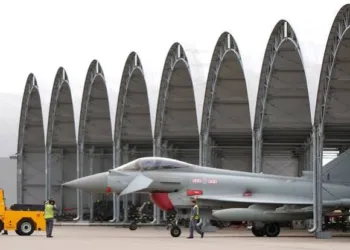


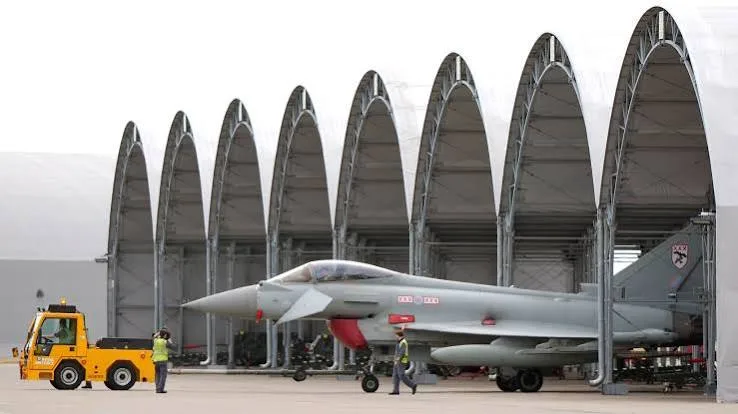

The Royal Air Force is moving aircraft into hangars and hardened shelters at night to protect them from possible drone threats, according to reports published on 25 November 2026.
Personnel across RAF bases are understood to be placing aircraft under cover overnight when the risk from unmanned systems is judged to be higher.
Also read: Martha Ford, long-time Lions owner, dies at 101
For aircraft that cannot be moved indoors, particularly those near runways or at sites with limited hardened facilities, Kevlar-style nets similar to those widely used in Ukraine are being considered.
The reports come after the Ministry of Defence and MI5 issued a joint warning on Tuesday about an increased threat of sabotage from Russia directed at defence-related companies and facilities.
Recent incidents at British bases have added to concerns.
These include a suspected plot linked to Iran at RAF Fairford, which led the United States to remove B-1 bombers from the site, and suspected unauthorised drone activity at RAF Lakenheath earlier this month.

Air Chief Marshal Sir Harv Smyth, head of the RAF, has spoken of the need for greater dispersal.
He told an audience at the Freeman Air and Space Institute that forces must prepare for a situation in which there is no sanctuary at home and aircraft may need to operate while on the move.
The service has already practised relocating aircraft while runway work was under way at other locations.
The Ministry of Defence has not publicly confirmed the overnight sheltering arrangements. Officials have previously described the security of UK bases as a top priority.
The measures reflect lessons drawn from the widespread use of low-cost drones against aircraft and infrastructure in Ukraine, where protective netting has become a common feature at airfields and critical sites.

No official statement has been issued on the scale or duration of the current precautions.
Also read: Martha Ford, long-time Lions owner, dies at 101
The reports indicate a broader effort to reduce the vulnerability of parked aircraft to relatively inexpensive unmanned threats at a time of elevated concerns about state-linked sabotage.

Mariam Balogun is a contributor to Freelanews.com, covering news, business, and public affairs.