
US Congress Nigeria Sanctions Bill targets governors, judges, and rulers over alleged faith-based abuses, drawing outrage and diplomatic tension
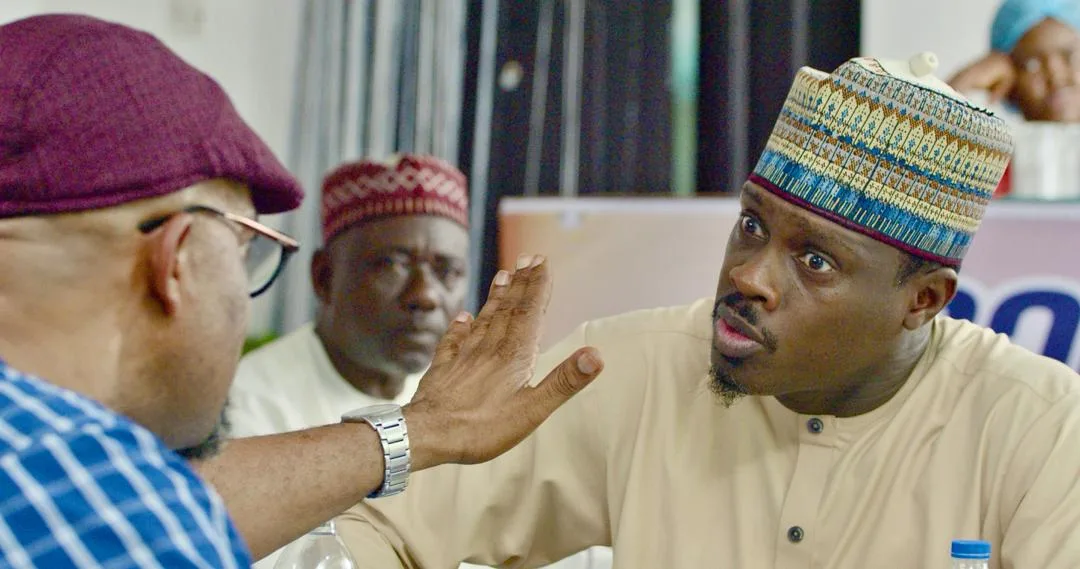
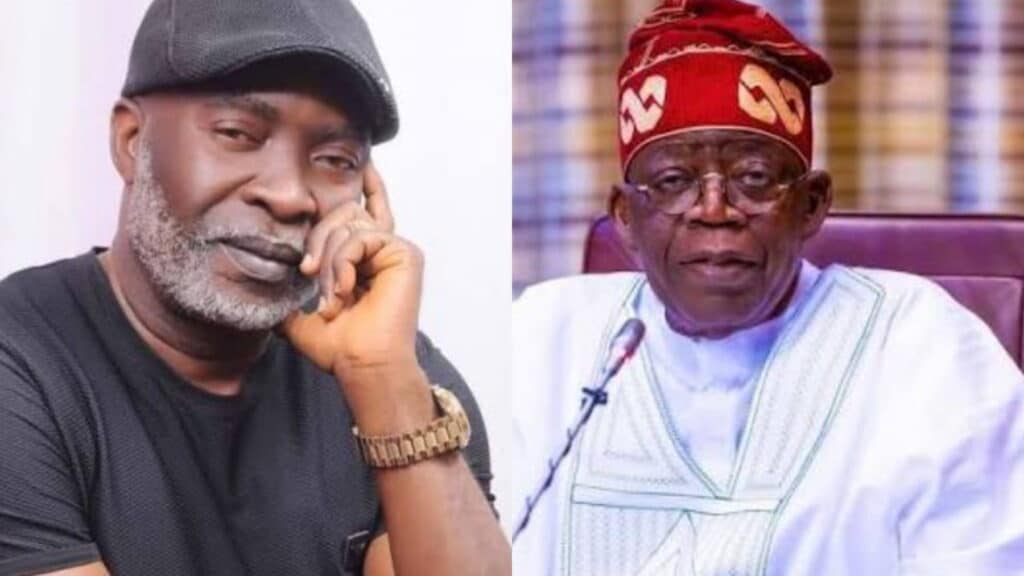
US Congress Nigeria Sanctions Bill has triggered diplomatic tension and sharp reactions across Nigeria after American lawmakers proposed punitive measures against northern governors, traditional rulers, and senior judges accused of complicity in religious persecution.
Also read: BREAKING: Trump designates Nigeria ‘Country of Particular Concern’ citing Christian genocide claims
The draft law, titled The Nigeria Religious Freedom Accountability Act of 2025, sponsored by Republican Senator Ted Cruz, seeks to impose sanctions on Nigerian public officials allegedly linked to what it terms “Christian genocide” and systemic violations of religious freedom under Sharia and blasphemy laws.
The proposed sanctions, to be enforced under the Global Magnitsky Human Rights Accountability framework, could include visa bans, asset freezes, and financial restrictions.
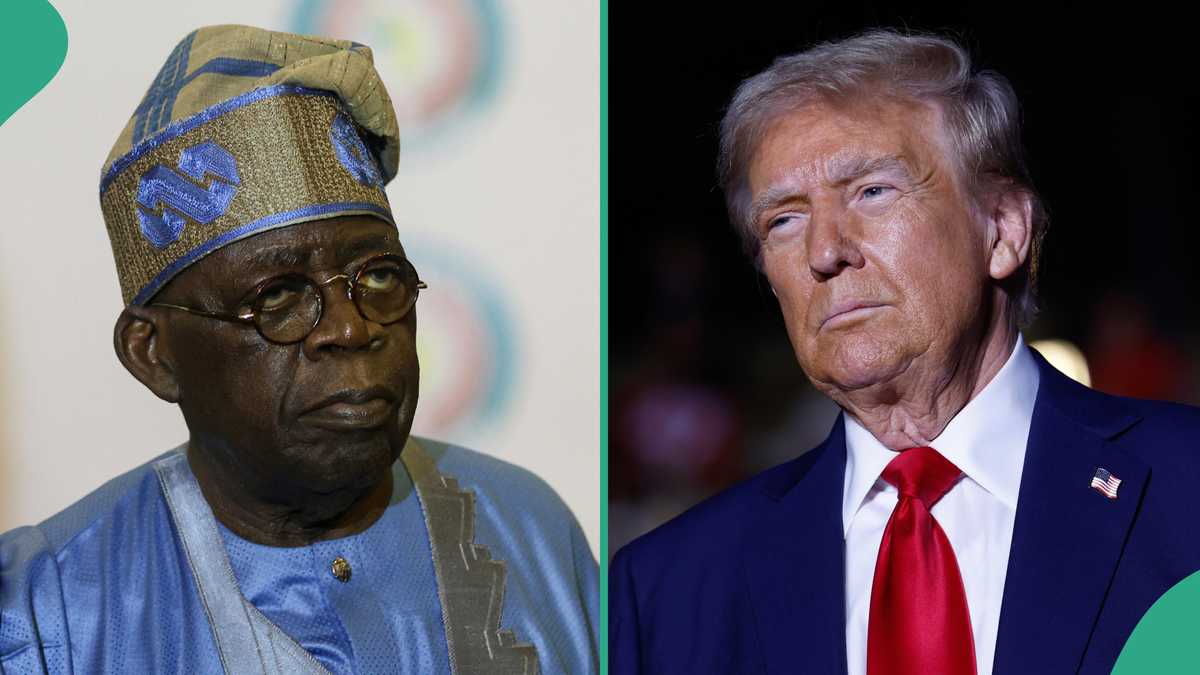
The bill follows the renewed designation of Nigeria as a “Country of Particular Concern” (CPC) by former US President Donald Trump, who directed the Secretary of State to “act without delay.”
Trump, in a fiery post on his Truth platform, lamented the killing of Christians in Nigeria and hinted at possible US military intervention if the Nigerian government failed to act.
He instructed Congressman Riley Moore and House Appropriations Committee Chairman Tom Cole to investigate and report swiftly.
The US Congress Nigeria Sanctions Bill specifically accuses Nigerian authorities of enabling or tolerating violence by non-state actors invoking religious justification.
It names northern states operating Sharia-based criminal codes — including Kano, Sokoto, Katsina, Bauchi, and Zamfara — as areas of concern, citing death sentences for alleged blasphemy and mob killings of accused persons.
The Federal Government, however, strongly rejected the allegations. In a statement titled Nigeria’s Constitutional Commitment to Religious Freedom and Rule of Law, the Ministry of Foreign Affairs described the bill as “legally and factually flawed.”
It insisted that Nigeria remained a multi-religious democracy with constitutional safeguards guaranteeing freedom of worship and conscience.

Officials stressed that Sharia law applied only to Muslims within select states and was bounded by the Constitution.
They emphasised that non-Muslims could not be tried under Sharia statutes and that secular appellate courts retained authority over all convictions.
Reacting to the storm, President Bola Tinubu’s aide, Daniel Bwala, confirmed that the Nigerian leader would meet former US President Donald Trump “in the coming days” to discuss the allegations.
The planned talks, he said, would focus on counter-terrorism and correcting misconceptions about the nature of violence in Nigeria.
The controversy has ignited heated debate across religious and political circles. The Christian Association of Nigeria (CAN) said Trump’s warning should serve as a wake-up call for Nigerian leaders to end impunity for killings and sectarian attacks.
Northern CAN Chairman, Rev John Hayab, urged the government to “act responsibly and stop those who violate citizens’ rights under the guise of religion.”
The Muslim Rights Concern (MURIC), meanwhile, called for calm, saying Trump’s comments should be interpreted as a threat to terrorist groups like Boko Haram and ISIS-West Africa, not to Nigerian Muslims.
It warned that any attack on civilians or mosques would be viewed as religious aggression.
Former Kano Governor Rabi’u Kwankwaso described the US move as “divisive,” urging Washington to provide technology and intelligence support instead of sanctions.

He called for stronger diplomacy and appointments of permanent ambassadors to rebuild trust with Washington.
Foreign policy experts have also warned of far-reaching implications if the US Congress Nigeria Sanctions Bill passes.
Ambassador Mohammed Mabdul cautioned that the designation could reduce US aid and security cooperation, while former diplomat Ogbole Amedu-Ode warned of dwindling Western investment and growing isolation in international institutions.
Analyst Charles Onunaiju, Director of the Centre for China Studies, described the development as “a wake-up call” for Nigeria to strengthen governance and transparency rather than react with hostility.
Also read: Kano State government boosts growth with bold reforms
As diplomatic tension simmers, Nigeria faces one of its toughest foreign-policy tests in recent years — balancing its sovereignty with international scrutiny over human-rights compliance.