United States sanctions Nigeria over Christian genocide, targeting northern leaders accused of enabling persecution and religious intolerance
United States sanctions Nigeria in a sweeping diplomatic move targeting twelve northern governors, senior judges, and traditional rulers accused of enabling what Washington lawmakers describe as a “Christian genocide.”
Also read: Breaking: Man behind US invasion of Iraq dies of heart, lung complications
The push, anchored in growing outrage over alleged religious persecution in northern Nigeria, signals one of America’s most forceful interventions yet in the country’s internal affairs.
Legislators in Washington claim that several officials have either tolerated or directly abetted attacks on Christians and minority faiths through the enforcement of Sharia and blasphemy laws.
At the heart of this development is the Nigeria Religious Freedom Accountability Act of 2025, sponsored by Senator Ted Cruz.
The bill designates Nigeria as a “Country of Particular Concern” and mandates sanctions — including visa bans, asset freezes, and other punitive measures against those accused of fostering intolerance.
Former U.S. President Donald Trump has also stoked international attention, declaring that “thousands of Christians have been slaughtered” in Nigeria.
Trump urged immediate action, demanding that American lawmakers “hold every enabler accountable without delay.”
The affected states reportedly include Zamfara, Kano, Sokoto, Katsina, Bauchi, Borno, Jigawa, Kebbi, Yobe, Kaduna, Niger, and Gombe.
These regions operate under Sharia-based legal systems, which critics in the U.S. claim contradict Nigeria’s constitutional secularism.
However, Nigerian authorities reject the genocide label. Officials insist that insecurity in the North stems from terrorism and organised banditry, not government-sponsored religious oppression.
They maintain that Sharia applies only to Muslims and remains subject to constitutional judicial oversight.
Tensions escalated further after a senior U.S. official warned that Washington could suspend aid and, if necessary, “kill the Islamic terrorists” should Nigeria fail to protect Christian citizens.
The statement provoked strong reactions in Abuja, prompting the Presidency to confirm an imminent meeting between President Bola Tinubu and Donald Trump to address the crisis and strengthen counter-terrorism cooperation.
Analysts warn that U.S. sanctions could strain defence ties, hinder intelligence sharing, and disrupt access to American military hardware.


Yet, they also agree that Nigeria must urgently reform its judicial and security systems to prevent future religiously motivated violence.
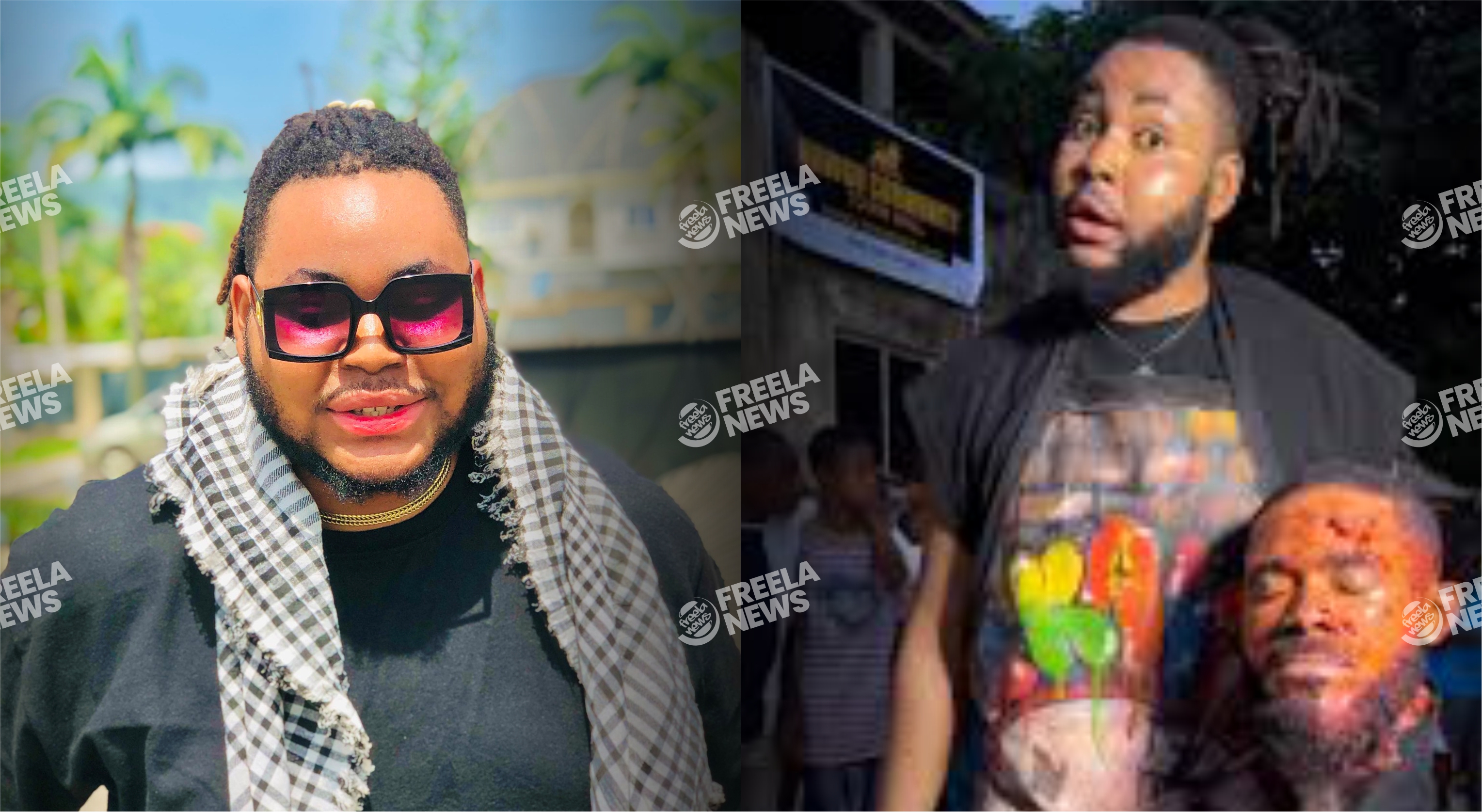
Observers recall that incidents such as the 2022 killing of Deborah Samuel in Sokoto over alleged blasphemy continue to haunt Nigeria’s global image.
Also read: Peter Obi urges US diplomacy over Trump’s Nigeria threat
While both Christian and Muslim communities have suffered at the hands of extremist groups, Washington’s latest move underscores the growing impatience of Western allies with Nigeria’s slow pace of justice reform.