Mirabel false allegations spark debate as she publicly apologises, admits fabricating claims and reveals struggles with mental health
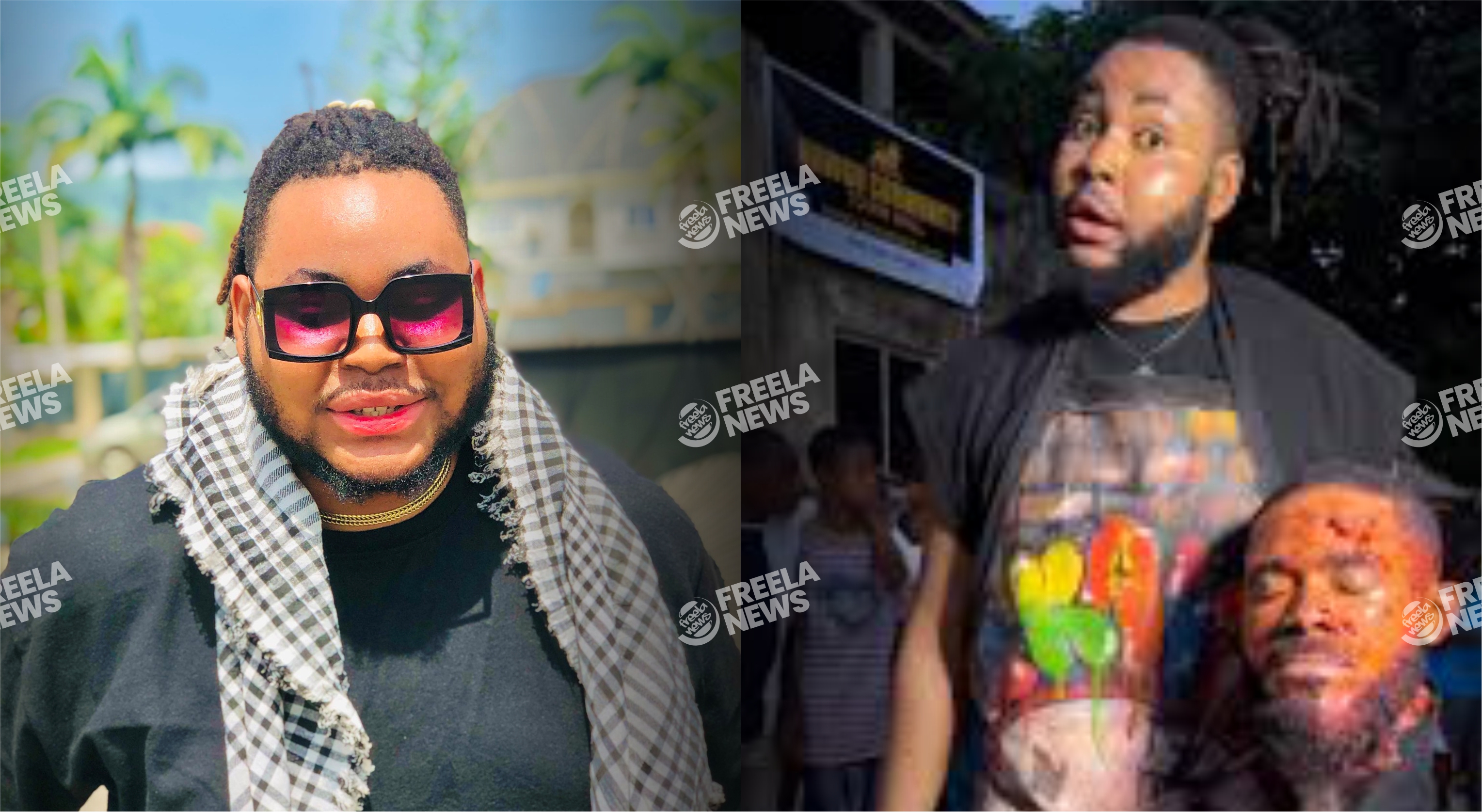
Social media personality Mirabel has publicly admitted that her earlier allegations of rape were fabricated, issuing an emotional apology and acknowledging that the claims were untrue.
Also read: Simi drawn into firestorm as rape allegation sparks debate on false accusations
In a statement circulated online on Wednesday, Mirabel said she had created a false narrative, including setting up a fake account and sending messages to herself to support the claims.
She described her actions as deeply regrettable and asked Nigerians for forgiveness.
“Nigerians please forgive me. I am sorry,” she wrote, adding that she had “made up the story” and was struggling with serious personal challenges at the time.
Mirabel also disclosed that she had been battling mental health difficulties and had reached out to controversial activist and social commentator VeryDarkMan, popularly known as VDM, seeking help.

She admitted engaging in harmful behaviour towards herself and revealed that she had experienced thoughts of self-harm.
The confession has triggered widespread reactions on social media, with some users expressing anger over the false allegations and others calling for compassion in light of her mental health disclosure.
Legal analysts note that false accusations, particularly in sensitive cases such as sexual assault, can carry serious social and legal consequences, both for the accused and for genuine survivors.
Advocates for victims of sexual violence have warned that fabricated claims risk undermining public trust and may discourage real victims from coming forward.
At the same time, mental health professionals emphasise the importance of timely intervention and support for individuals experiencing emotional distress.
Mirabel concluded her statement by pleading for understanding and promising to seek professional assistance.
Also read: Viral cry for help: Lagos DSVA hunts TikTok rape survivor
The development has reignited debate about accountability, digital responsibility, and the growing intersection between social media influence and mental health crises.