
NIS budget increase to N60bn approved by Reps committee after defence in Abuja, citing urgent need to revive Nigeria’s sports training institute
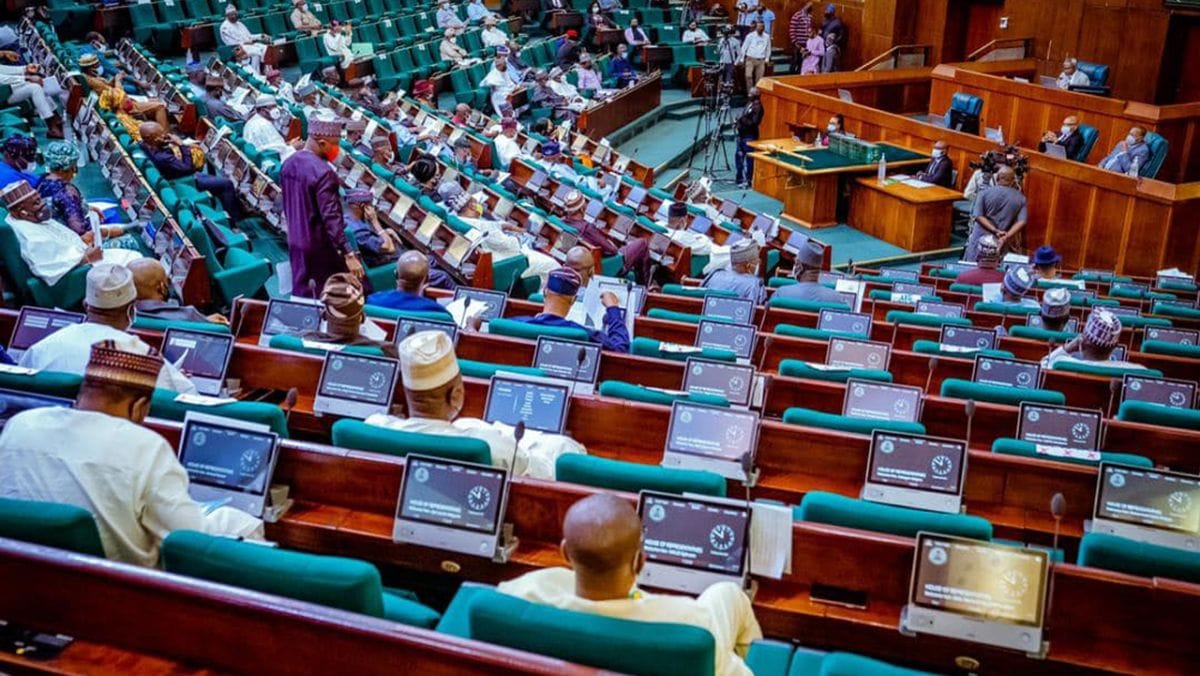
The Chairman of the House of Representatives Committee on Sports, Kabiru Ahmadu, on Wednesday announced an NIS budget increase from N2.8bn to about N60bn for the 2026 fiscal year during the National Institute for Sports budget defence in Abuja.
Also read: Reps order forensic audit over troubling gas supply
Kabiru Ahmadu said the upward review followed consultations between the committee, the management of the National Institute for Sports and the leadership of the Budget Office of the Federation.
Kabiru Ahmadu commended the Director-General of the National Institute for Sports, Philip Shuaibu, for what Kabiru Ahmadu described as transformative leadership since the appointment by President Bola Tinubu.
Kabiru Ahmadu said Philip Shuaibu had repositioned the institute and expanded its scope of operations despite funding challenges, including the non-release of capital funds in the 2025 fiscal year.
Kabiru Ahmadu described the National Institute for Sports as a critical pillar in Nigeria’s sports architecture and lamented years of inadequate funding that limited its operational capacity.
Kabiru Ahmadu pledged the committee’s commitment to sustained and improved budgetary support to enable the institute fulfil its mandate effectively.
Established in 1974, the National Institute for Sports serves as Nigeria’s foremost training and research centre for sports development, with responsibility for producing qualified coaches, sports administrators and technical personnel.
Earlier in the session, Philip Shuaibu appealed for increased funding, noting that the institute did not receive its capital allocation for 2025.
Philip Shuaibu said that 52 years after its establishment, the institute lacked a clear operational roadmap until the current management introduced a 10-year strategic plan aimed at repositioning the institution.
Philip Shuaibu linked Nigeria’s recent underwhelming performances in major international competitions to what Philip Shuaibu described as the neglect of foundational sports institutions, particularly the National Institute for Sports.

Philip Shuaibu said the mandate of the institute to train manpower for the sports ecosystem and promote grassroots sports could not be achieved without adequate government funding.
Philip Shuaibu also called for the speedy constitution of the board of the National Sports Commission, stating that such a move was vital to providing strategic direction and institutional stability for long-term sports development.

Philip Shuaibu urged the Federal Government to prioritise the institute to enable Nigeria achieve improved performances in local and international competitions.
Philip Shuaibu added that persistent underfunding had limited the presence of the institute across many states, constraining infrastructure development and outreach programmes.
Also read: Reps approve tougher jail term, fines for election forgery
The NIS budget increase marks a significant shift in legislative attention towards strengthening the institutional backbone of Nigeria’s sports development framework.