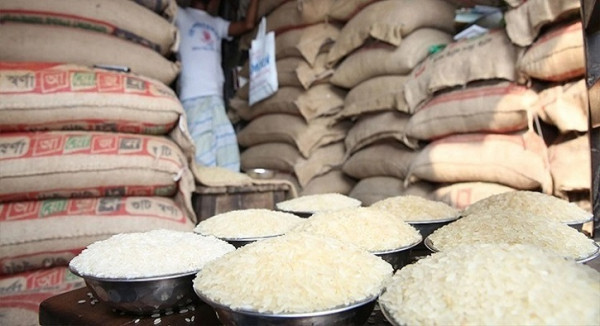

Ahead of Ramadan, rice, beans, maize, and other staples rise in Nigerian markets, while some items like palm oil see minor declines.
Ramadan: New Prices for Rice, Beans, and Other Food Items Emerge
A recent survey of Nigerian markets shows key staple food prices rising ahead of the Ramadan fasting season, as traders adjust costs in major markets in Lagos, Kano, Abuja, Kaduna, and Taraba.
Also read: Ramadan and Lent begin as Saudi Arabia confirms holy month
While rice, beans, maize, and groundnuts saw sharp increases, some commodities such as palm oil and select vegetables recorded minor declines.
Price Changes Across States
Abuja:
- Beans (per bag): N50,000 → N90,000
- Maize (per bag): N25,000 → N27,000
- Local rice jumbo packs (~100kg): ~N100,000
Kaduna:
- Beans (local measure): N700 → N1,400
Taraba:
- White beans (100kg): N65,000 → N110,000
- Paddy rice (100kg): N18,000 → N28,000–N30,000
- Maize (100kg): N15,000–N18,000 → N23,000–N24,000
- Groundnut (100kg): N30,000 → N45,000
- Dried cassava (100kg): N3,500 → N7,000
- Locally processed rice (measure): N1,400 → N1,800
- White beans (measure): N900 → N1,800–N2,000
Lagos:
- Beans (bag): N60,000
- Long-grain rice: N75,000
- Short-grain rice: N55,000
- Tomatoes (bag): N36,000
- Pepper (bag): N46,000
- Half-bag pepper: N20,000
- Frozen chicken (per kg): N4,800
- Onions (bag): N70,000 → N90,000
Kano:

- Gerewa rice (50kg): N52,000
- BUA rice (50kg, 50kg): N52,500
- AA Rano rice (50kg): N51,500
- Sugar (bag): N70,000
- Mudu: N4,500
- Flour (bag): N60,000
- Tomatoes (per bowl): N800
- Tatashe: N1,500
- Onions: N2,000
- Irish potatoes (basket): N7,500
- Medium yams (tuber): N5,000
Food Inflation in Nigeria

Despite seasonal price surges, Nigeria recently recorded its lowest food inflation rate in a decade, according to the National Bureau of Statistics (NBS).
Also read: Tomato prices set to drop during Ramadan, farmers say
Food inflation fell to 8.89% in January 2026, marking the first single-digit reading since May 2015.
The decline offers relief to households that have faced persistent double-digit increases in food costs over the years.