
Sanwo-Olu says Lagos will deepen infrastructure, climate resilience and PPPs to drive real estate growth at RICS 2026 outlook
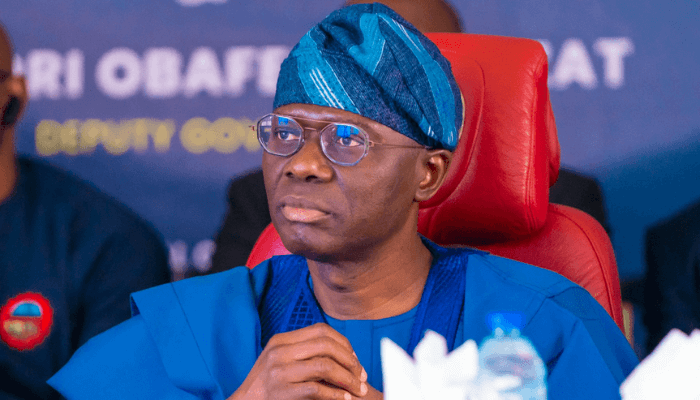
Lagos State Governor Babajide Sanwo-Olu has reaffirmed his administration’s commitment to deepening infrastructure delivery, strengthening institutions and expanding climate-adaptive investments to ensure that urban growth improves quality of life.
Also read: Sanwo-Olu honours Murtala Muhammed at 50th memorial ceremony
Sanwo-Olu spoke at the 2026 Nigeria Construction and Real Estate Outlook organised by the Royal Institution of Chartered Surveyors in Lagos.
The event was themed, “Infrastructure Development: A Catalyst for Real Estate, Construction and Economic Growth.”
Represented by the Commissioner for Housing, Moruf Akinderu-Fatai, the governor said infrastructure is central to growth and determines how cities expand and whether development is inclusive and resilient.
“Our priorities remain focused on deepening infrastructure delivery, strengthening institutions, expanding climate-adaptive investments in drainage and resilience, and ensuring that urban growth translates into measurable improvements in quality of life,” he said.
He added that Lagos is committed to providing a stable policy environment, improving data-driven planning systems, supporting innovation in construction methods and broadening partnerships with the private sector and professional bodies.
Sanwo-Olu described chartered surveyors and built-environment professionals as custodians of value, noting that their work safeguards transparency, accountability and long-term economic outcomes in the property and construction sectors.
“As Africa’s largest city and Nigeria’s economic nerve centre, Lagos absorbs thousands of new residents every day. This presents pressure but also opportunity if infrastructure is planned ahead of demand,” he said.
The governor noted that Lagos has consistently treated infrastructure as a long-term investment rather than a short-term political project, citing integrated transport systems such as the Lagos Rail Mass Transit network as tools for reshaping land-use patterns, unlocking new real estate corridors and supporting transit-oriented development.
He added that road and bridge projects are designed to promote economic connectivity and open up new districts for residential, commercial and industrial growth.
Looking ahead, Sanwo-Olu described the 2026 outlook for Nigeria’s construction and real estate sectors as cautiously optimistic, with emerging opportunities in transit-oriented development, urban regeneration, affordable housing, logistics parks and climate-resilient infrastructure.

He warned, however, that such opportunities require policy stability, coordinated planning and professional integrity.
Reforms in land administration, planning approvals and project delivery frameworks, he said, have reduced uncertainty and improved project viability in Lagos.
Through structured public-private partnerships, the state has accelerated infrastructure delivery while allocating risk appropriately and preserving public value, he added.
Sanwo-Olu commended the RICS Nigeria Group for convening stakeholders at a time when infrastructure decisions will shape Nigeria’s urban and economic future.
Earlier, Chairman of the RICS Nigeria Group, Tayo Odunsi, described construction, real estate and economic development as closely linked, highlighting conviction, patient capital and effective project execution as essential to sector growth.
Also read: Sanwo-Olu’s tough actions, soft power
The RICS, a global professional body with over 150 years of experience, continues to set standards for professionalism and integrity in the built environment.